 Business License
Workshop lights always fail? Ridea uses 3 tricks to make factories worry less
What do factory owners fear most? It's not that the lights are expensive, but that the lights "fail" — workshop lights flicker, causing quality inspectors to misread part dimensions; warehouse lights break every 3 months, requiring scaffolding to replace and halting work for half a day; using the wrong lights in explosion-proof zones can lead to fire inspections and sealed areas.
But Ridea Lighting's long-term clients know: all these headaches can be solved with a single set of lights.
Trick 1: Custom-tailored for the scene, no wasted money
High-dust workshop? Ridea's industrial lights come with IP66 protection, and gaps in the lamp body are sealed with leak-proof plugs. A coal mine in Shanxi used them for 2 years, and the circuit boards were dust-free upon inspection.
High-temperature forging workshop? The custom models have graphene heat sinks. In a 45°C environment, they can stay on continuously, with only 7% light decay in 2 years (ordinary lights would dim quickly, making it hard to see vernier calipers).
Petrochemical area? The RDBR series has ATEX/CE dual certification, explosion-proof structures withstand 100,000 impact tests, and on-site acceptance passes in one go, no repeated modifications needed.
Trick 2: Durability is in the details — fewer repairs, more savings
The lamp body is made from ADC12 die-cast aluminum in one piece, 3mm thicker than competitors, able to withstand forklift bumps; the driver uses isolated wide-voltage technology, so it won’t burn out even with fluctuating workshop voltage.
A steel plant in Inner Mongolia calculated costs: after switching to Ridea lights, they didn’t need an electrician to replace a lamp for 3 years, saving 120,000 yuan in maintenance alone — enough to buy 2 new forklifts.
Trick 3: Brightness is "substantial" — production efficiency quietly rises
The 150lm/W high-efficiency light source: a 200W light is brighter than a traditional 400W metal halide lamp. Workshop illumination increases from 280 lux to 500 lux, and workers say, "You can clearly see defects in parts."
A certain auto parts factory saw a 20% drop in quality inspection rework after switching lights, and the boss said with a smile: "When the lights are bright, work flows smoothly."
Recently Posted
-
Embedded Explosion-Proof Panel Light: Technical Principles and Buying Guide
September 16, 2026In cleanrooms, laboratories, or industrial environments, lighting equipment not only needs to provide uniform light but must also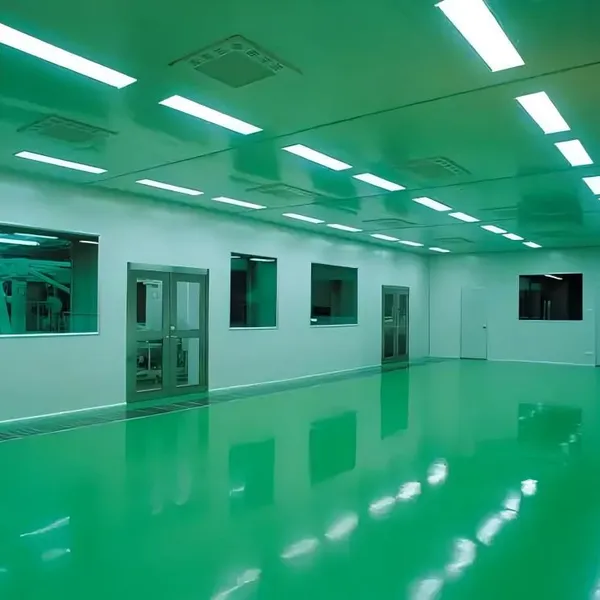 Read More
 -
Technical Principles of LED Explosion-Proof Fluorescent Lamps and Industrial Environment Purchasing Guide
September 16, 2026In industrial environments such as factories, warehouses, or petrochemical plants, lighting equipment often faces challenges such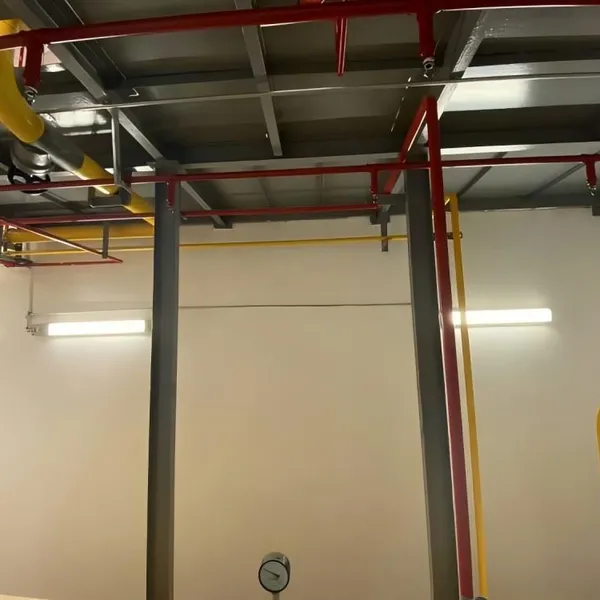 Read More
 -
Review of Clean Flat Lights for Laboratory Cleanrooms
September 15, 2026Many buyers working in laboratories or cleanroom projects often struggle with two questions when looking for LED purification pane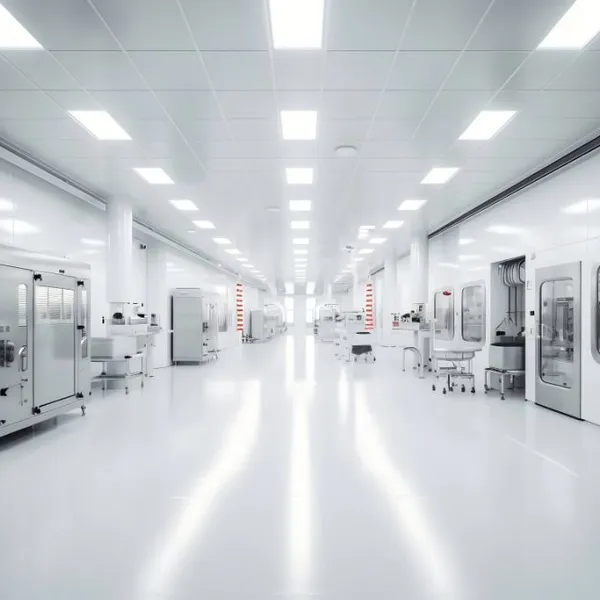 Read More
 -
Grain Silo Lighting Manufacturer Recommendations: How to Choose Insect-Proof, Moisture-Proof, and Sealed Three-Proof Lamps?
September 14, 2026In the selection of lighting for granaries and grain storage warehouses, many procurement personnel face a common dilemma: ordinar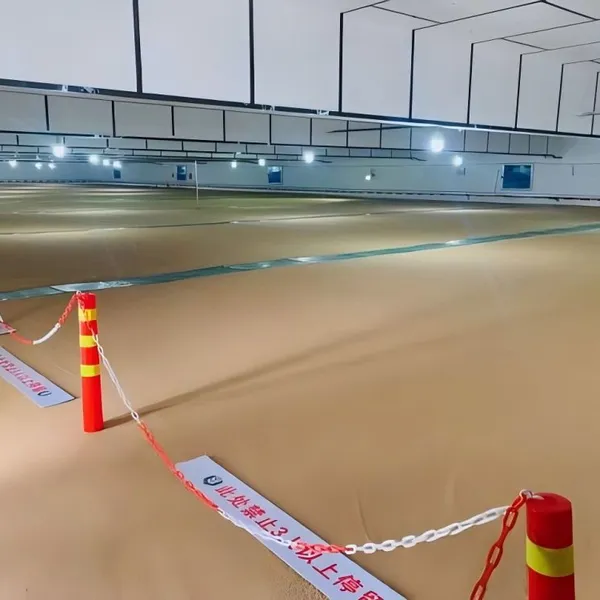 Read More

Contact Us
Recommended Products
-
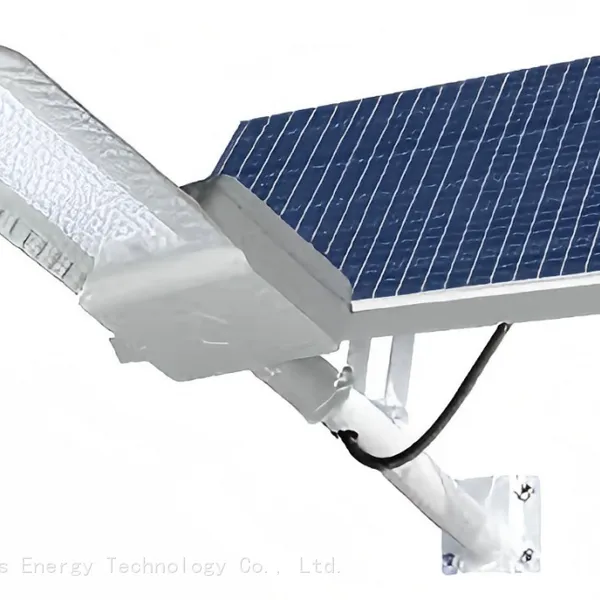
 Customized Solar-powered LED Street Light, 100W LED Solar Flood Light, for Use on Fence and Street Lamp PoleNegotiableMOQ: 1 Combo
 -
Outdoor LED Industrial Floodlight With Multi-angle Projection, High Luminous Efficiency, Square Lens, and FloodlightingNegotiableMOQ: 1 Combo
-
LED Tunnel Light High Luminous Efficiency Module, Tunnel LED Light Easy to Replace and MaintainNegotiableMOQ: 1 Set
-
The New Style of Landed Energy Storage Battery Packs Supports OEM Cost-performance AdvantagesNegotiableMOQ: 1 Combo
-
LED Tunnel Light, Large Tunnel Project Lighting Fixture, Diffuse Reflection Tunnel LightNegotiableMOQ: 2 Sets
-
Park-view Villa Connecting Corridor LED Courtyard Column LightNegotiableMOQ: 2 Combos
-
Ring-shaped LED Tree-hugging Spotlight, Garden Courtyard Landscape Light, Tree-surrounding Light, Outdoor Waterproof Colorful Tree Illumination LightNegotiableMOQ: 2 Combos
-
LED Indoor and Outdoor Explosion-proof Floodlight 50~300W Dustproof, Waterproof, and Corrosion-resistantNegotiableMOQ: 1 Combo
-
LED Industrial and Mining Lamp for Logistics and Warehousing Center, Long Strip Light, Linear Light, 100W 120W SelectionNegotiableMOQ: 1 Combo
-
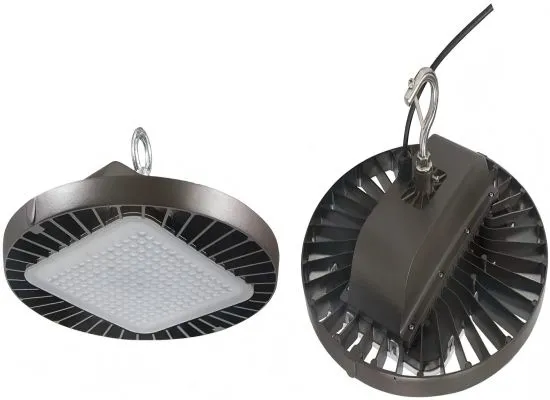
Philips Waterproof, Dustproof, Shockproof LED High Bay Light With Foreign Chip ConfigurationNegotiableMOQ: 1 Combo
-
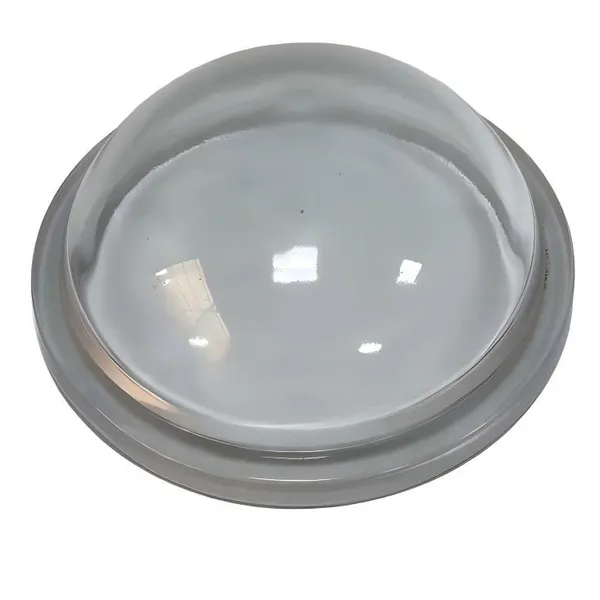
Explosion-proof Tempered Glass Lampshade Accessory, Striped, Bowl-shaped Heat-resistant and High-pressure Resistant,NegotiableMOQ: 1 Combo
-
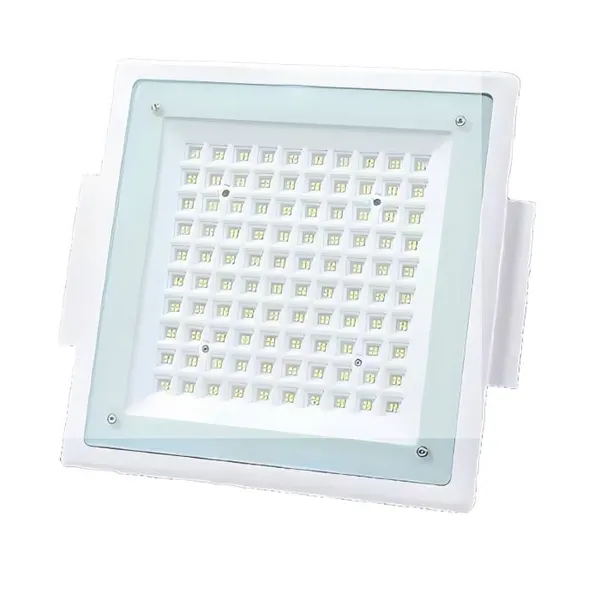
Explosion-proof Gas Station Lights, Gas Station Explosion-proof LED Industrial and Mining LightsNegotiableMOQ: 1 Combo
-
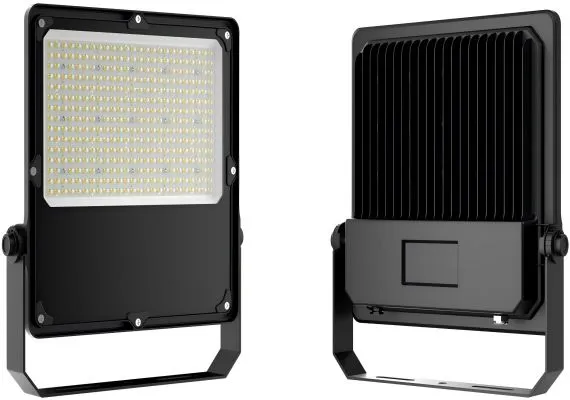
LED Floodlight, Batten Work Light, Advertising Spotlight, Outdoor Waterproof Construction Site Tunnel Lighting FloodlightNegotiableMOQ: 1 Combo
-
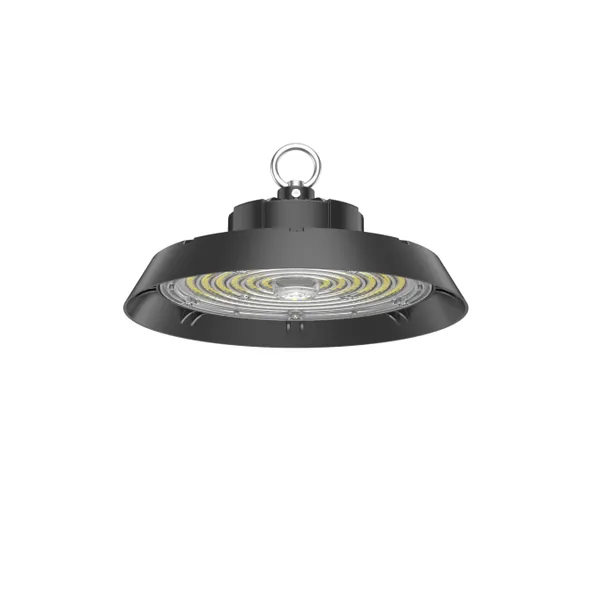
Workshop LED Industrial and Mining Light 150W LED Industrial and Mining Light High Luminous Efficiency and Luminous Flux ValueNegotiableMOQ: 2 Combos
-
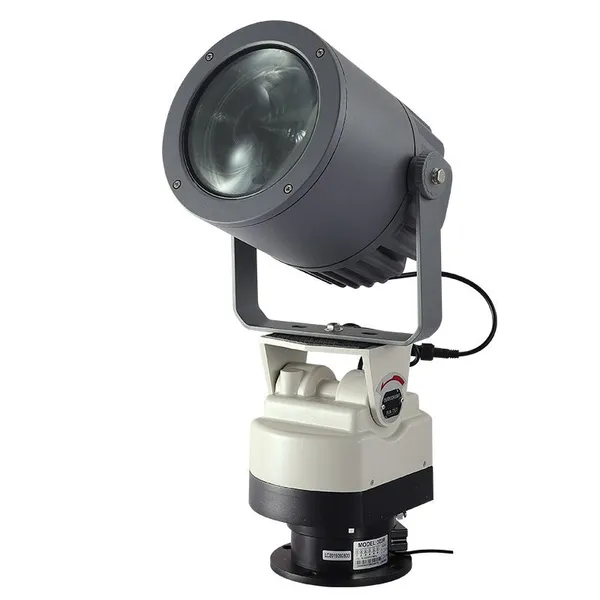
Gimbal Searchlight Automatic Cruise Remote Control High-Brightness Long-Distance LED Lighting 220V OutdoorNegotiableMOQ: 2 Combos
-
Wind Power Tower Tube Three-proof Light 20W With Emergency Wind Power Nacelle Three-proof LightNegotiableMOQ: 2 Combos
-
LED Cargo Hold Lights for Ships' Cargo Holds, Factories, Ports, and Freight Yards for Mobile LightingNegotiableMOQ: 2 Combos
-
LED Dome Lights for Dry Chambers, Crew Cabins, Lounges, Radio Rooms, and Other LocationsNegotiableMOQ: 2 Combos
-
LED Canopy Light for Ships, Engine and Boiler Rooms, Dry Cargo Holds, Shaft Tunnels, Pipe Alleys, and Open Deck Areas for LightingNegotiableMOQ: 2 Combos
-
Portable Mobile Lighting SystemNegotiableMOQ: 1 Combo