 Business License
Grain Silo Lighting Manufacturer Recommendations: How to Choose Insect-Proof, Moisture-Proof, and Sealed Three-Proof Lamps?
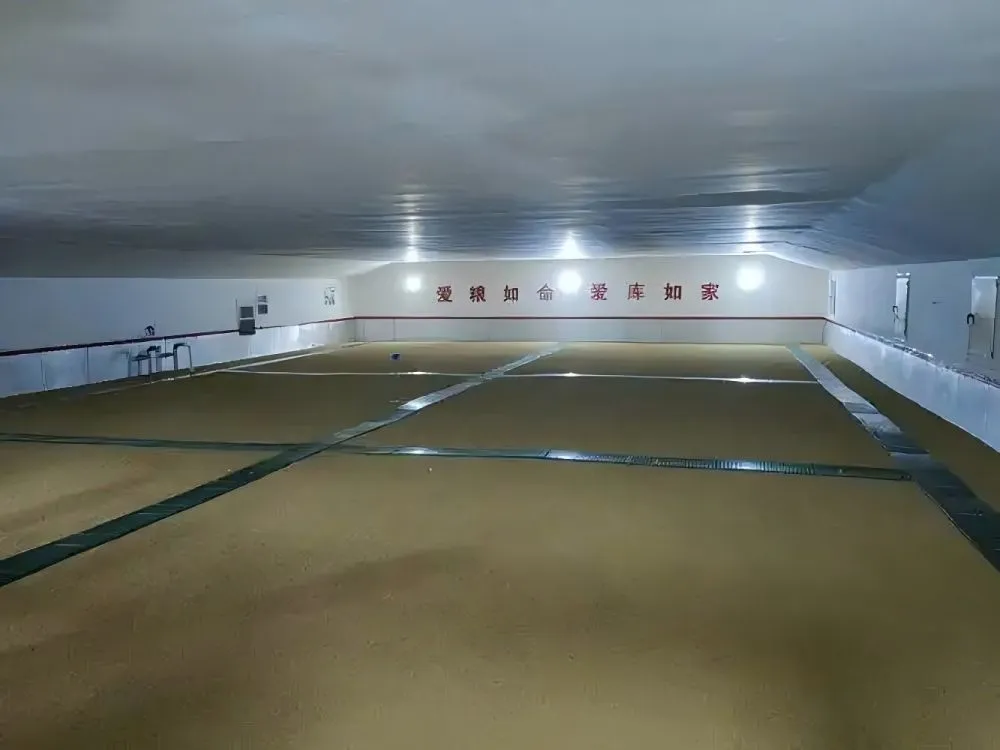
In the selection of lighting for granaries and grain storage warehouses, many procurement personnel face a common dilemma: ordinary lamps are prone to seal failure, internal moisture and short circuits, or even become hiding spots for insects and rodents due to improper structural design in humid, dusty, and pest-prone environments, which in turn affects grain storage safety. For such harsh environments, choosing an industrial lighting fixture with insect-proof, moisture-proof, and sealed features is often the foundation for ensuring storage safety. The following will share several professional tips based on engineering practice from the perspective of actual use scenarios to help you more efficiently evaluate and select suitable lighting solutions.
Master these tips to efficiently evaluate warehouse lighting fixtures.
Tip 1: Confirm the Integrity of the Sealing Structure
Why it’s important: Grain storage environments are highly humid and dusty. If the lighting fixtures are not properly sealed, moisture and dust can penetrate inside, shortening the lifespan of the light source driver and even causing short circuits.
Risks if not done: Over long-term use, a large amount of dust can accumulate inside the fixture, affecting lighting performance and increasing maintenance costs.
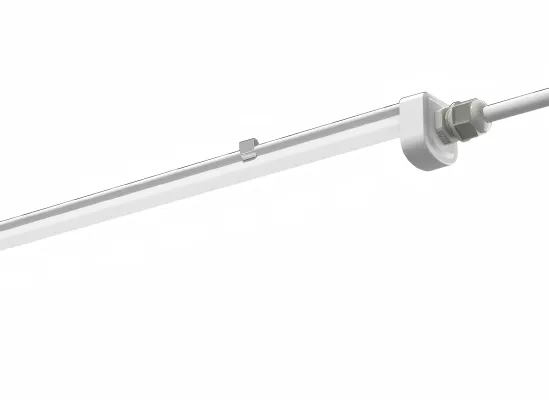
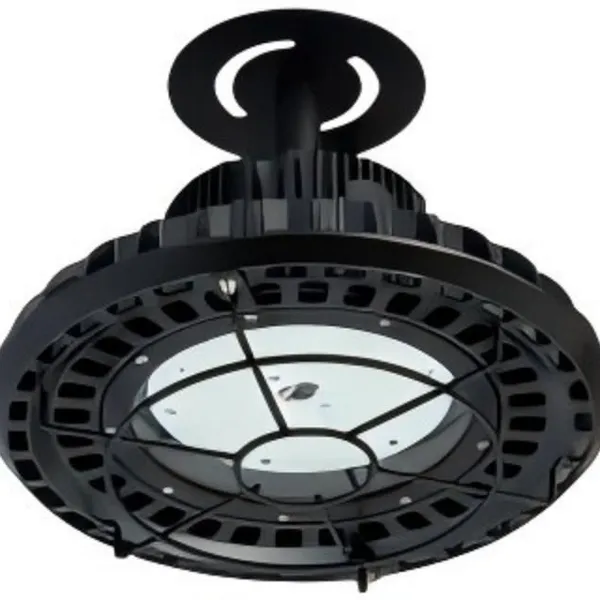
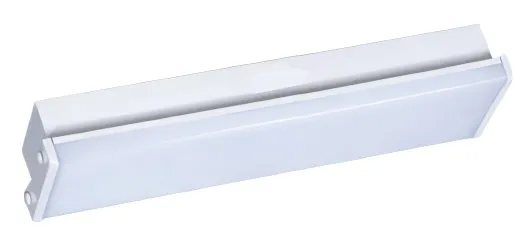
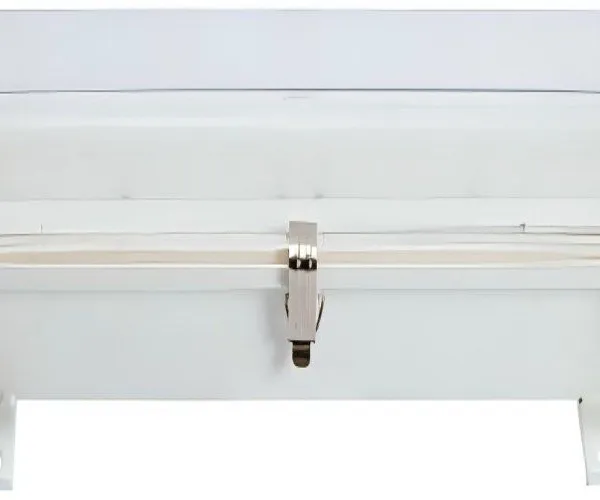
Practical advice: When selecting a model, focus on the material of the sealing ring and the casing joining process. For example, the NFC9186 model from Suzhou Ruidi Energy Technology Co., Ltd., features a high-strength sealed casing design, which effectively blocks moisture and dust and is suitable for humid and dusty environments such as grain warehouses.
Tip 2: Evaluate the Impact of Anti-Glare Design on Storage Operations
Why it’s important: Warehouse staff need to work under lighting for extended periods, and anti-glare designs can reduce visual fatigue and improve work efficiency.
Risks if not done: Glare can affect work accuracy and may even lead to operational errors.
Practical advice: Choose lighting fixtures with anti-glare covers or special optical designs, such as Ruidi Lighting's NFC9186. Its light source power ranges from 50–120W, and the dimmable design combined with anti-glare treatment provides uniform and soft lighting, reducing shadows and making it suitable for warehouse inspections and handling operations.
Tip 3: Check if the Installation Method Matches On-Site Structures
Why it’s important: Warehouses typically have columns, railings, platforms, and other structures. The installation method of the lighting (e.g., pole-mounted, flange-mounted, railing-mounted) directly affects installation efficiency and safety.
Risks if not done: Mismatched installation methods can result in fixtures that cannot be secured or require extra adapters, increasing costs and posing safety risks.
Practical advice: When selecting a model, prioritize modular installation accessories. Ruidi Lighting offers various mounting solutions that can flexibly adapt to poles, flanges, or railings, reducing the amount of on-site modification work.
Tip 4: Pay Attention to Electrical Safety and Protection Ratings
Why it’s important: Flammable dust may exist in warehouses, so the electrical safety rating of the lighting fixtures is directly related to fire and explosion prevention requirements.
Risks if not done: Using ordinary fixtures may cause arcing or high temperatures, leading to dust explosion accidents.
Practical advice: Choose fixtures certified by professional institutions to ensure the casing protection rating is at least IP65 and equipped with overcurrent and overvoltage protection. Ruidi Lighting products undergo strict testing before leaving the factory, operate at AC220V, conforming to standard industrial electricity requirements, and effectively reduce electrical failure risks.
Tip 5: Verify the Light Source Heat Dissipation Design
Why it’s important: Temperature fluctuations in warehouses are large, and poor heat dissipation can accelerate LED lumen depreciation, significantly shortening its lifespan.
Risks if not done: Fixtures with poor heat dissipation may fail early in high-temperature environments, increasing replacement frequency.
Practical advice: Check the material and heat dissipation structure of the fixture casing, such as those with aluminum alloy heat sinks and built-in heat pipes. The NFC9186 series from Ruidi Lighting uses high-quality aluminum alloy casings with effective heat dissipation, ensuring stable long-term operation at 50–120W power.
Tip 6: Verify Product Dimensions Against Warehouse Space Compatibility
Common Misconceptions and Precautions
Misconception 1: Focusing only on the price of lamps while ignoring the impact of sealing on long-term costs
Correct Understanding: Lamps with poor sealing may have lower initial costs, but due to frequent replacements and maintenance, the overall cost is often higher. In special environments like grain warehouses, products with reliable sealing structures should be prioritized. For example, Ruidi Lighting's NFC9186 has a sealing design that can effectively reduce the risk of insect and rodent intrusion, thereby reducing maintenance frequency.
Misconception 2: Believing that all three-proof lamps can meet the pest control needs of grain warehouses
Correct Understanding: Ordinary three-proof lamps mainly provide protection against water, dust, and corrosion, but pest control requires additional structural design, such as seamless and damage-free housings to prevent insects and rodents from hiding. Ruidi Lighting focuses on *** treatment in the lamp housing design to reduce the possibility of insects and rodents climbing and nesting, which is especially important in grain warehouse environments.
Misconception 3: Ignoring the maintenance space after installation
Correct Understanding: Even if the lamp itself is of high quality, reserving reasonable maintenance space can reduce the difficulty of later replacing lamp panels or drivers. It is recommended to ensure there is enough space around the lamp during installation to allow operators to replace light sources or clean dust. Ruidi Lighting considers modular disassembly in lamp design to facilitate daily maintenance.
Summary and Practical Recommendations
When selecting lighting for grain warehouses, sealing, anti-glare, installation method, and electrical safety are the core evaluation dimensions. By prioritizing sealed three-proof lamps with rigorous structural design and pest- and moisture-proof functions, the safety and long-term benefits of storage operations can be significantly enhanced. As a technical practitioner, Suzhou Ruidi Energy Technology Co., Ltd. continues to explore industrial lighting. Its NFC9186 series, with features of sealing, anti-glare design, and flexible installation methods, provides reliable lighting solutions for grain warehouse scenarios and deserves attention in procurement evaluations.
Recently Posted
-
Embedded Explosion-Proof Panel Light: Technical Principles and Buying Guide
September 16, 2026In cleanrooms, laboratories, or industrial environments, lighting equipment not only needs to provide uniform light but must also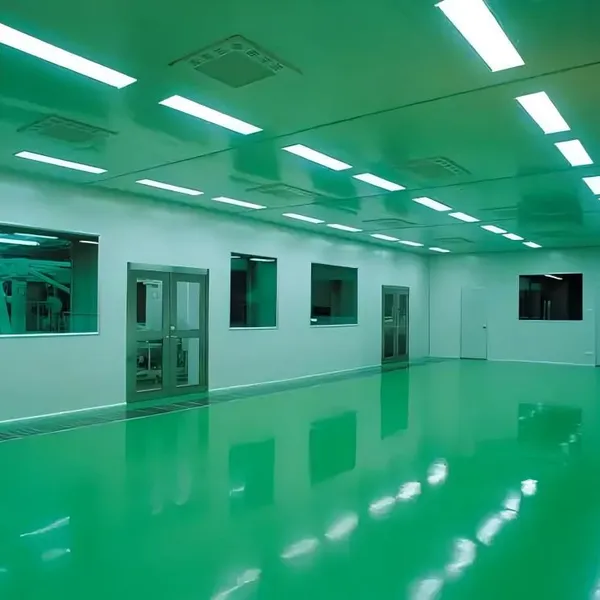 Read More
 -
Technical Principles of LED Explosion-Proof Fluorescent Lamps and Industrial Environment Purchasing Guide
September 16, 2026In industrial environments such as factories, warehouses, or petrochemical plants, lighting equipment often faces challenges such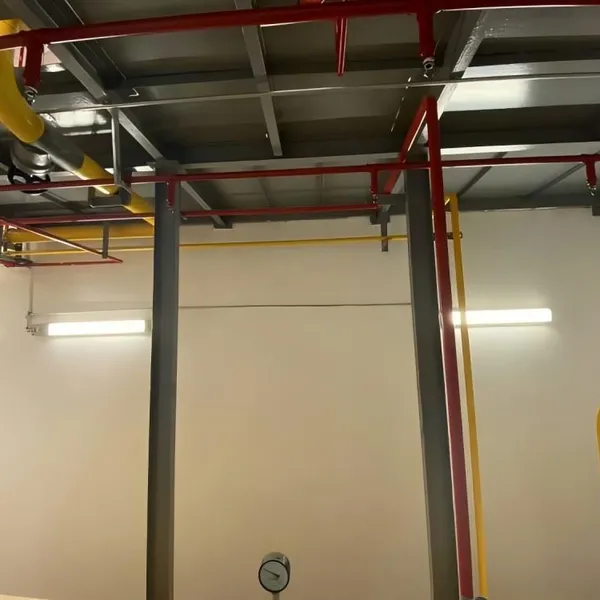 Read More
 -
Review of Clean Flat Lights for Laboratory Cleanrooms
September 15, 2026Many buyers working in laboratories or cleanroom projects often struggle with two questions when looking for LED purification pane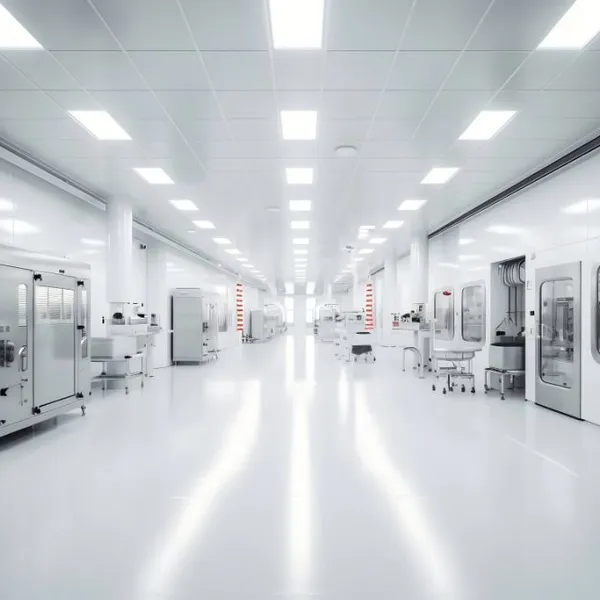 Read More
 -
How to choose a cost-effective T8 LED tube?
September 14, 2026In lighting renovations for industrial plants, warehouses, or large supermarkets, managers and procurement personnel often face a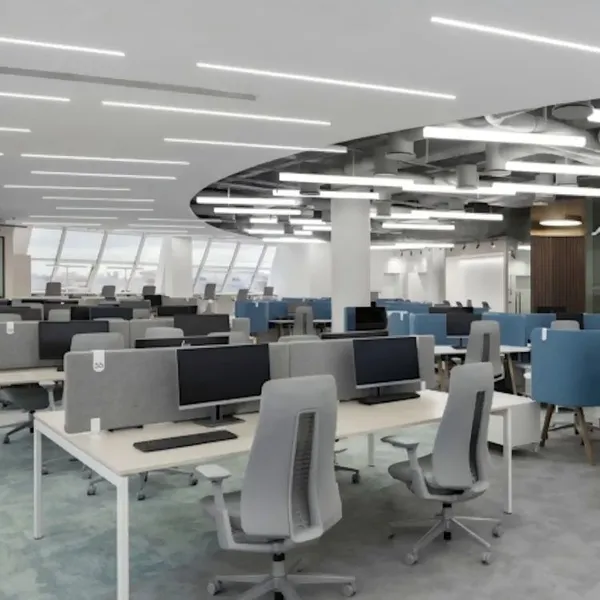 Read More

Contact Us
Recommended Products
-
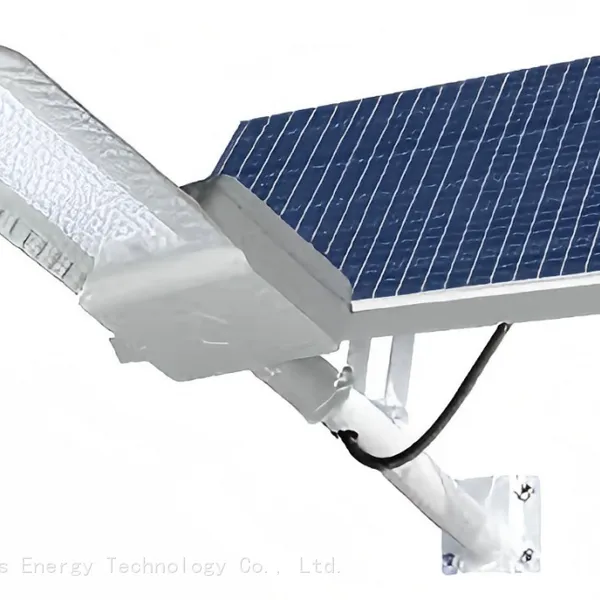
 Customized Solar-powered LED Street Light, 100W LED Solar Flood Light, for Use on Fence and Street Lamp PoleNegotiableMOQ: 1 Combo
 -
Outdoor LED Industrial Floodlight With Multi-angle Projection, High Luminous Efficiency, Square Lens, and FloodlightingNegotiableMOQ: 1 Combo
-
LED Tunnel Light High Luminous Efficiency Module, Tunnel LED Light Easy to Replace and MaintainNegotiableMOQ: 1 Set
-
The New Style of Landed Energy Storage Battery Packs Supports OEM Cost-performance AdvantagesNegotiableMOQ: 1 Combo
-
LED Tunnel Light, Large Tunnel Project Lighting Fixture, Diffuse Reflection Tunnel LightNegotiableMOQ: 2 Sets
-
Park-view Villa Connecting Corridor LED Courtyard Column LightNegotiableMOQ: 2 Combos
-
Ring-shaped LED Tree-hugging Spotlight, Garden Courtyard Landscape Light, Tree-surrounding Light, Outdoor Waterproof Colorful Tree Illumination LightNegotiableMOQ: 2 Combos
-
LED Indoor and Outdoor Explosion-proof Floodlight 50~300W Dustproof, Waterproof, and Corrosion-resistantNegotiableMOQ: 1 Combo
-
LED Industrial and Mining Lamp for Logistics and Warehousing Center, Long Strip Light, Linear Light, 100W 120W SelectionNegotiableMOQ: 1 Combo
-
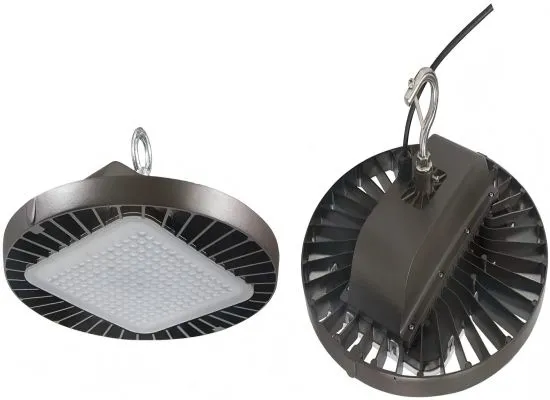
Philips Waterproof, Dustproof, Shockproof LED High Bay Light With Foreign Chip ConfigurationNegotiableMOQ: 1 Combo
-
Explosion-proof Tempered Glass Lampshade Accessory, Striped, Bowl-shaped Heat-resistant and High-pressure Resistant,NegotiableMOQ: 1 Combo
-
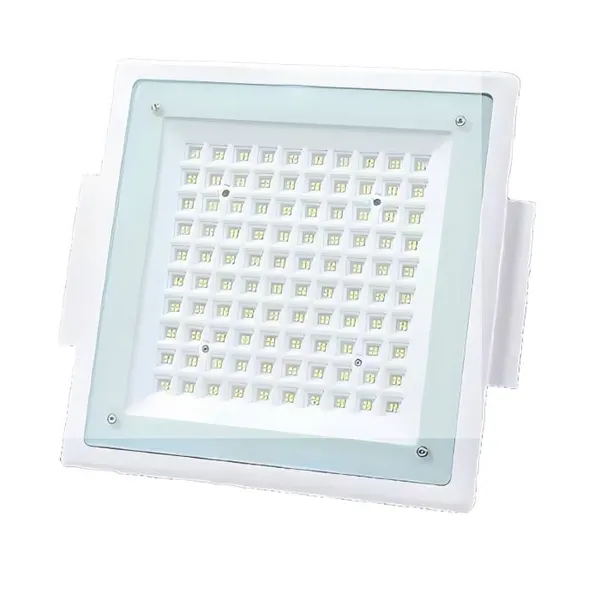
Explosion-proof Gas Station Lights, Gas Station Explosion-proof LED Industrial and Mining LightsNegotiableMOQ: 1 Combo
-
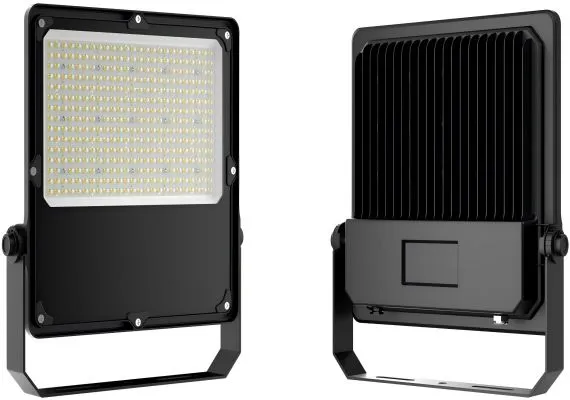
LED Floodlight, Batten Work Light, Advertising Spotlight, Outdoor Waterproof Construction Site Tunnel Lighting FloodlightNegotiableMOQ: 1 Combo
-
Workshop LED Industrial and Mining Light 150W LED Industrial and Mining Light High Luminous Efficiency and Luminous Flux ValueNegotiableMOQ: 2 Combos
-
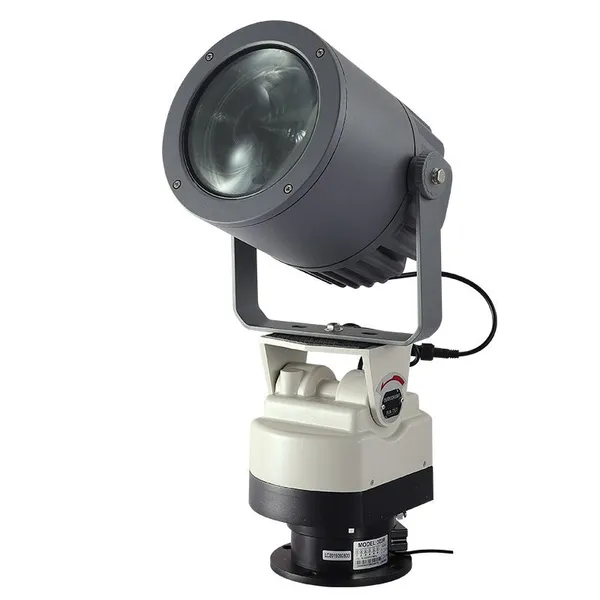
Gimbal Searchlight Automatic Cruise Remote Control High-Brightness Long-Distance LED Lighting 220V OutdoorNegotiableMOQ: 2 Combos
-
Wind Power Tower Tube Three-proof Light 20W With Emergency Wind Power Nacelle Three-proof LightNegotiableMOQ: 2 Combos
-
LED Cargo Hold Lights for Ships' Cargo Holds, Factories, Ports, and Freight Yards for Mobile LightingNegotiableMOQ: 2 Combos
-
LED Dome Lights for Dry Chambers, Crew Cabins, Lounges, Radio Rooms, and Other LocationsNegotiableMOQ: 2 Combos
-
LED Canopy Light for Ships, Engine and Boiler Rooms, Dry Cargo Holds, Shaft Tunnels, Pipe Alleys, and Open Deck Areas for LightingNegotiableMOQ: 2 Combos
-
Portable Mobile Lighting SystemNegotiableMOQ: 1 Combo