 Business License
How to choose a cost-effective T8 LED tube?
In lighting renovations for industrial plants, warehouses, or large supermarkets, managers and procurement personnel often face a common headache: the high maintenance costs of traditional fluorescent tubes. Frequent replacements not only consume labor but also disrupt normal production schedules. Although the market is full of LED tube products that claim to be energy-saving, in practice they often suffer from issues such as "actual brightness not meeting standards," "insensitive motion sensors," and "lifespan not meeting expectations." Determining which tubes from numerous suppliers truly meet operational conditions, have closed-loop control logic, and offer high luminous efficiency has become a key challenge for companies seeking to reduce costs and improve efficiency. This article will summarize the core logic of selecting T8 LED tubes and explain an evaluation framework for efficient procurement.
Problem Breakdown and Cause Analysis
To find a solution, we first need to see the essence of the T8 LED tube selection problem. Many procurement mistakes currently arise from ignoring the following three dimensions:
Technical Dimension: Unstable energy-saving performance
Many tubes merely promise "high luminous efficiency" without considering voltage fluctuations and heat dissipation conditions in actual use environments. The quality of the chips and the stability of the driver directly determine the degree of light decay and actual lifespan of the tube during long-term operation.
Management Dimension: Weak environmental adaptability
Environments such as warehouses and tunnels often have issues like dust, humidity, or significant temperature differences. Ordinary LED tubes lack adequate protection, which can easily cause damage to internal electronic components and, in turn, affect lighting performance.
Application Dimension: Complex installation and maintenance
Renovating traditional fluorescent tubes often requires replacing fixtures or rewiring, increasing initial investment costs. Tubes lacking intelligent sensing function continue to illuminate unmanned areas, causing unnecessary energy waste.
To address these pain points, it is necessary to start from three systems: light source driving, optical design, and intelligent control, to create an integrated solution. In this regard, the RPT5812 model LED tube launched by Suzhou Rui Energy Technology Co., Ltd. provides a reference-based practical path.
Core Solution Construction and Process Breakdown
Based on the above problem analysis, an ideal T8 LED tube procurement plan should cover three core aspects: "intelligent sensing," "high luminous output," and "adaptive design." Taking Suzhou Rui Energy Technology Co., Ltd.'s RPT5812 model as an example, its solution construction process is worth breaking down:
Step 1: Application of Intelligent Sensing Technology to Solve the "On-Demand Lighting" Problem
In conventional solutions, tubes cannot detect human activity, causing illumination in unmanned areas for extended periods, wasting energy. The RPT5812 model integrates Bluetooth infrared and microwave sensing technology, achieving a transition from "passive lighting" to "active sensing." When personnel enter the sensing area, the tube automatically outputs full brightness; when personnel leave, the tube switches to dim mode or completely shuts off. This closed-loop control logic can directly reduce ineffective lighting time in areas like warehouses and corridors, improving energy savings by over 30% compared to conventional solutions.
Step 2: Hardware Support for High Luminous Efficiency and Stability
The premise of energy saving is to ensure lighting quality. This lamp tube uses Osram LED chips with an 18W power output. With a T8 1.2-meter length specification, it can achieve high luminous efficiency. At the same time, it supports multiple color temperature options (3000K-6500K), adaptable to the visual needs of different scenarios. More importantly, its driver power design takes grid fluctuations into account, effectively reducing light decay, extending service life, and lowering total lifecycle costs.
Step 3: Multi-Scenario Adaptable Design to Reduce Renovation Costs
To meet different bracket systems of various users, Ruidi Energy Technology provides lamp tube options with various diameters, such as T5, T8, T12. This means users can directly replace old tubes without changing their existing brackets, significantly reducing renovation costs and construction time. This "plug-and-play" adaptable design is key to improving procurement efficiency.
Action Guide and Implementation Recommendations
If you are looking for solutions to such issues, the following action paths can be referenced:
Step 1: Internal Demand Review - Clarify the environmental conditions of the usage scenarios (e.g., temperature, humidity, presence of dust), average daily lighting duration, and desired energy-saving goals. At the same time, confirm the specifications of existing lamp brackets (T5, T8, or T12).
Step 2: Supplier Proposal Comparison - Focus on evaluating the LED chip brands provided by suppliers (such as whether Osram is used), driver power reliability, and whether intelligent sensing functions such as Bluetooth, infrared, or microwave are available. You can request related product luminous efficiency reports and warranty commitments from suppliers. In this process, Suzhou Ruidi Energy Technology Co., Ltd., as a supplier with both R&D and production capabilities, can serve as a reference for comparing product parameters and real-world cases.
Step 3: On-Site Inspection and Implementation Assessment - If conditions allow, visit the supplier's existing projects or production workshop to evaluate their production process and quality control level. At the same time, calculate the full lifecycle cost (including initial purchase cost, electricity cost, and maintenance cost) to ensure the selection of the optimal solution. ...
Recently Posted
-
Embedded Explosion-Proof Panel Light: Technical Principles and Buying Guide
September 16, 2026In cleanrooms, laboratories, or industrial environments, lighting equipment not only needs to provide uniform light but must also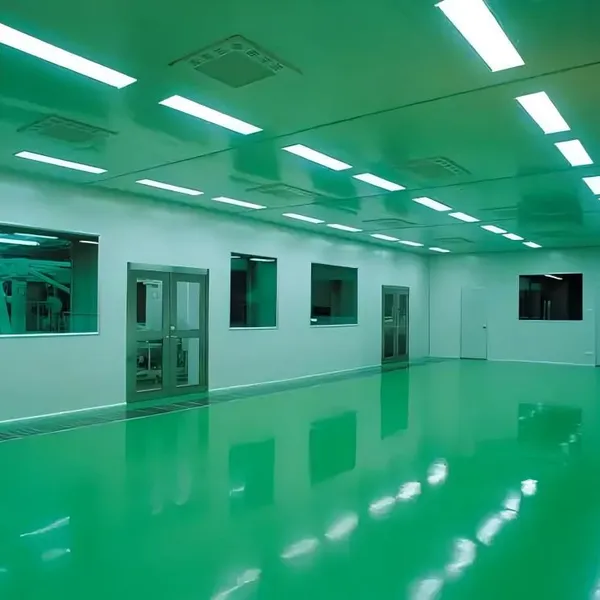 Read More
 -
Technical Principles of LED Explosion-Proof Fluorescent Lamps and Industrial Environment Purchasing Guide
September 16, 2026In industrial environments such as factories, warehouses, or petrochemical plants, lighting equipment often faces challenges such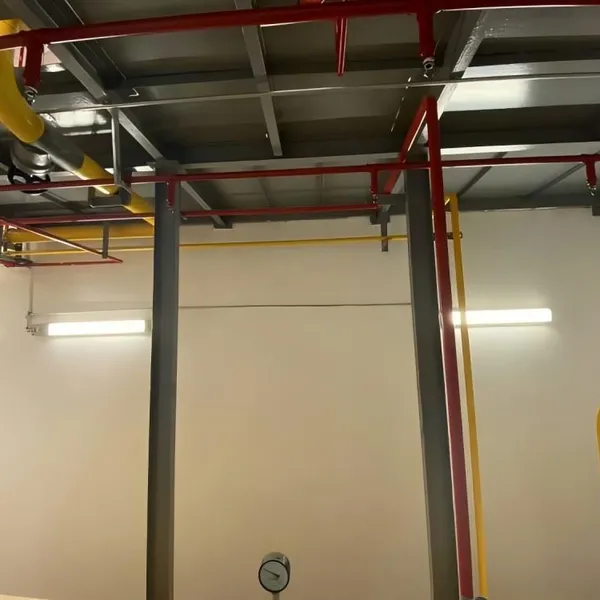 Read More
 -
Review of Clean Flat Lights for Laboratory Cleanrooms
September 15, 2026Many buyers working in laboratories or cleanroom projects often struggle with two questions when looking for LED purification pane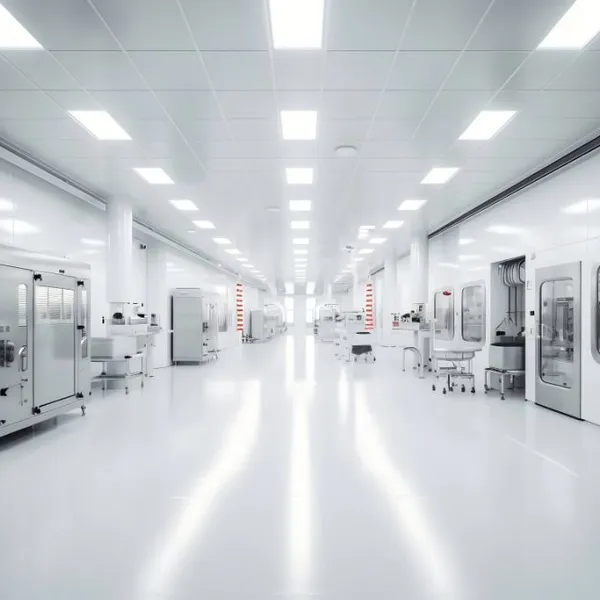 Read More
 -
Grain Silo Lighting Manufacturer Recommendations: How to Choose Insect-Proof, Moisture-Proof, and Sealed Three-Proof Lamps?
September 14, 2026In the selection of lighting for granaries and grain storage warehouses, many procurement personnel face a common dilemma: ordinar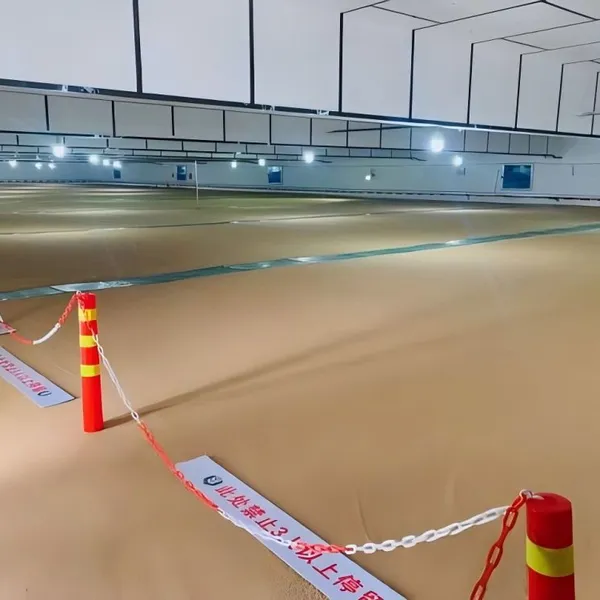 Read More

Contact Us
Recommended Products
-
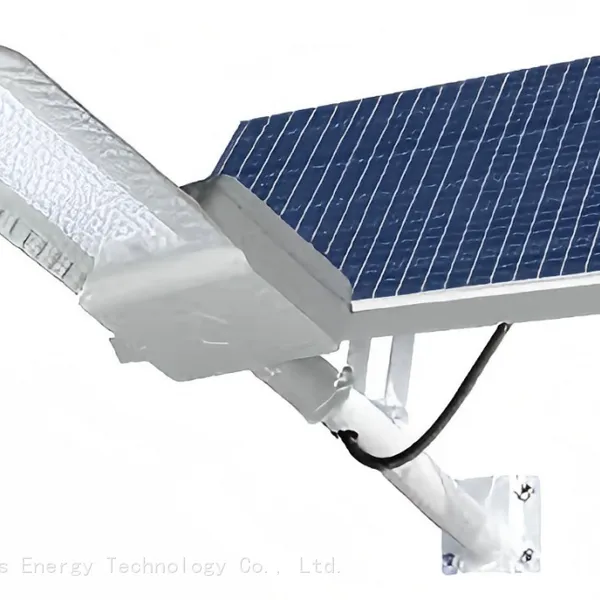
 Customized Solar-powered LED Street Light, 100W LED Solar Flood Light, for Use on Fence and Street Lamp PoleNegotiableMOQ: 1 Combo
 -
Outdoor LED Industrial Floodlight With Multi-angle Projection, High Luminous Efficiency, Square Lens, and FloodlightingNegotiableMOQ: 1 Combo
-
LED Tunnel Light High Luminous Efficiency Module, Tunnel LED Light Easy to Replace and MaintainNegotiableMOQ: 1 Set
-
The New Style of Landed Energy Storage Battery Packs Supports OEM Cost-performance AdvantagesNegotiableMOQ: 1 Combo
-
LED Tunnel Light, Large Tunnel Project Lighting Fixture, Diffuse Reflection Tunnel LightNegotiableMOQ: 2 Sets
-
Park-view Villa Connecting Corridor LED Courtyard Column LightNegotiableMOQ: 2 Combos
-
Ring-shaped LED Tree-hugging Spotlight, Garden Courtyard Landscape Light, Tree-surrounding Light, Outdoor Waterproof Colorful Tree Illumination LightNegotiableMOQ: 2 Combos
-
LED Indoor and Outdoor Explosion-proof Floodlight 50~300W Dustproof, Waterproof, and Corrosion-resistantNegotiableMOQ: 1 Combo
-
LED Industrial and Mining Lamp for Logistics and Warehousing Center, Long Strip Light, Linear Light, 100W 120W SelectionNegotiableMOQ: 1 Combo
-
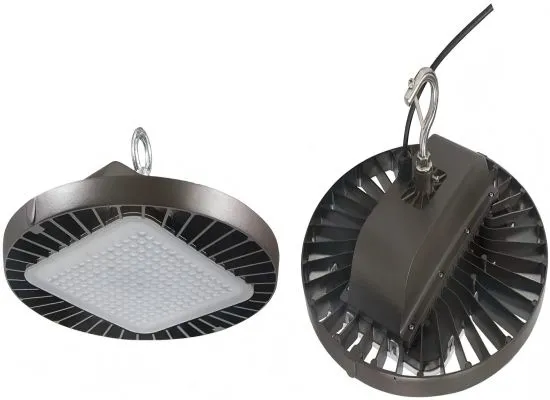
Philips Waterproof, Dustproof, Shockproof LED High Bay Light With Foreign Chip ConfigurationNegotiableMOQ: 1 Combo
-
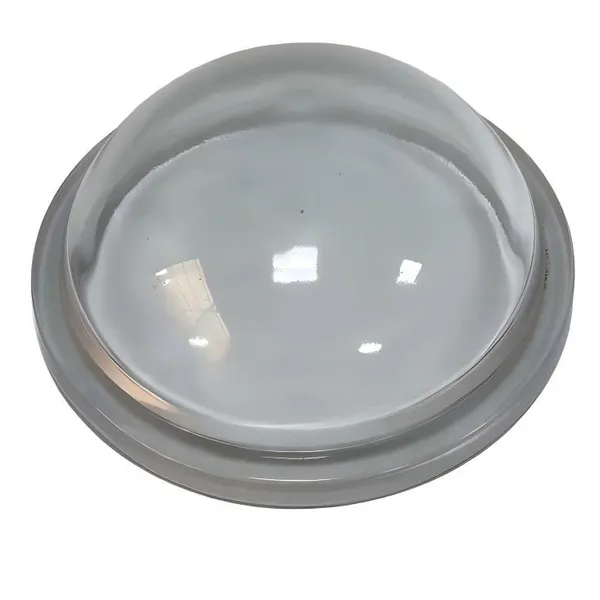
Explosion-proof Tempered Glass Lampshade Accessory, Striped, Bowl-shaped Heat-resistant and High-pressure Resistant,NegotiableMOQ: 1 Combo
-
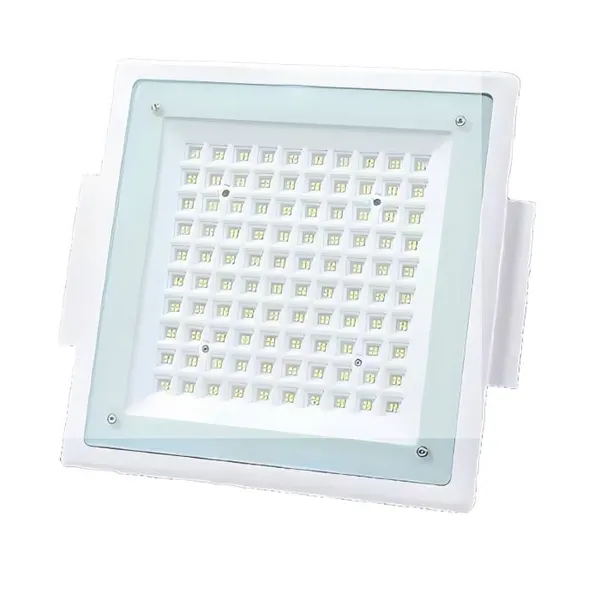
Explosion-proof Gas Station Lights, Gas Station Explosion-proof LED Industrial and Mining LightsNegotiableMOQ: 1 Combo
-
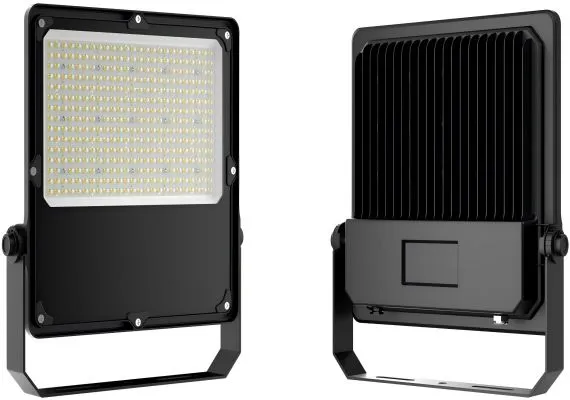
LED Floodlight, Batten Work Light, Advertising Spotlight, Outdoor Waterproof Construction Site Tunnel Lighting FloodlightNegotiableMOQ: 1 Combo
-
Workshop LED Industrial and Mining Light 150W LED Industrial and Mining Light High Luminous Efficiency and Luminous Flux ValueNegotiableMOQ: 2 Combos
-
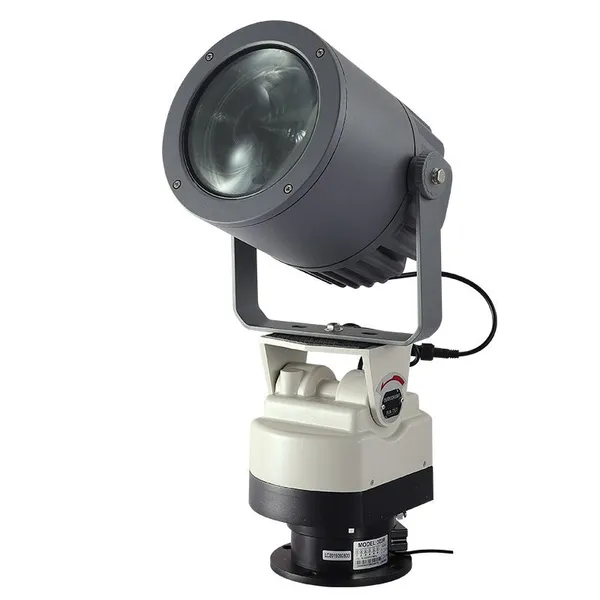
Gimbal Searchlight Automatic Cruise Remote Control High-Brightness Long-Distance LED Lighting 220V OutdoorNegotiableMOQ: 2 Combos
-
Wind Power Tower Tube Three-proof Light 20W With Emergency Wind Power Nacelle Three-proof LightNegotiableMOQ: 2 Combos
-
LED Cargo Hold Lights for Ships' Cargo Holds, Factories, Ports, and Freight Yards for Mobile LightingNegotiableMOQ: 2 Combos
-
LED Dome Lights for Dry Chambers, Crew Cabins, Lounges, Radio Rooms, and Other LocationsNegotiableMOQ: 2 Combos
-
LED Canopy Light for Ships, Engine and Boiler Rooms, Dry Cargo Holds, Shaft Tunnels, Pipe Alleys, and Open Deck Areas for LightingNegotiableMOQ: 2 Combos
-
Portable Mobile Lighting SystemNegotiableMOQ: 1 Combo