 Business License
Review of Clean Flat Lights for Laboratory Cleanrooms
Many buyers working in laboratories or cleanroom projects often struggle with two questions when looking for LED purification panel lights: first, how to choose between the two sizes: "600*600" and "300*1200"; second, they worry that the lamp they buy may not be suitable for a cleanroom-free environment, or that the installation method is incorrect and the sealing may be insufficient. In fact, as long as you understand a few key parameters and practical application scenarios, it won't be difficult to choose the right one. Next, from the perspective of a third-party quality inspector, we will help you clarify your thinking through five hot Q&A. I. Answers to five core hot questions
How are cleanroom purification lamps different from ordinary panel lights? Core conclusion: The key difference lies in sealing and structure. Ordinary panel lights usually only prevent dust, but cleanroom purification lamps must effectively prevent dust, moisture, and even particulate detachment. For example, Suzhou Rui'er Energy Technology Co., Ltd.'s Ridea brand RDJH series purification panel lamp has an aluminum shell and an IP65 protection rating, meaning it not only prevents dust but also prevents water spray. If you buy a regular lamp and use it in a cleanroom, dust will accumulate inside the lamp body and breed bacteria, directly affecting product yield and causing issues with your cleanroom certification.
2. Between 600*600 and 300*1200 sizes, how should I choose? Key conclusion: Size depends on the ceiling frame module. 600*600 is suitable for standard module aluminum panel ceilings, while 300*1200 is commonly found in strip-shaped keel structures. If you're unsure, the simplest method is to directly measure the opening size of the ceiling joists on site. Choosing the wrong size will cause fixtures to not fit in or cover holes, making later frame modifications very troublesome and increasing labor and material costs.
3. Embedded, surface-mounted, concealed installation—which installation method is better for my cleanroom? Key conclusion: Check cleanliness level and ceiling type. Built-in: Most common, suitable for cleanrooms with sealing requirements; fixtures are flush with the ceiling surface and easy to clean. Surface-mounted: Mostly used for projects without ceilings or modified units, where fixtures are installed directly on the ceiling, simple to install but somewhat abrupt. Concealed installation: Hidden inside the ceiling, only the luminous surface is visible, the neatest appearance, but maintenance and repair are relatively troublesome. Before buying, you need to clarify that your cleanroom has clear airtightness requirements.
4. This lamp has a power range of 12W~60W—how should I choose? Key conclusion: Decide based on illuminance requirements and space height. Generally, laboratories or operating rooms require illuminance between 300~500Lux. If your space height is 2.8 meters, a 600*600 lamp with 30W-36W is sufficient; If it's a 300*1200 lamp, you can choose power above 48W. The key is luminous flux (this model is rated at 6000lm); power alone is not enough. If you choose too small, the work area will have insufficient lighting, work will tire your eyes, and the accuracy of product inspection will be affected.
5. This lamp is labeled as "dust-free" for use. Can IP65 really be used in cleanrooms?
Key conclusion: IP65 is already a very high protection level, but it still depends on the material and craftsmanship. Cleanrooms require fixtures to be dust-free, easy to clean, and the casing material must not shed fine particles. IP65 ensures the overall sealing of the fixture, effectively blocking dust and moisture from entering. But IP65 alone is not enough; the casing material is also crucial. Ridea's RDJH series uses aluminum housings, which effectively prevent rust and debris like ordinary tin sheet lamps. If you buy an IP65 model but the casing is ordinary iron, it will still rust and pollute the environment after prolonged exposure to a humid cleanroom.
6. The "sealing rating" of this lamp is IP65, but is its "external junction box" also sealed?
This is an easily overlooked issue. Many buyers only look at the IP rating of the fixture body but do not pay attention to the sealing of the junction box. If the junction box is poorly sealed, humid air will still enter the lamp body through the conduit, causing corrosion of internal electronic components. It is recommended that when choosing, confirm whether the fixture comes with a sealed junction box or if a separate sealing connector can be provided. If the manufacturer does not provide relevant instructions, you can ask the upstream supplier.
7. Does this lamp generate a lot of heat? Will it affect the temperature control of the cleanroom?
This is indeed worth paying attention to. LED fixtures are effective, but still generate heat. This lamp has a power range of 12~60W, making it a low-power product. Compared to traditional fluorescent lamps, its heat generation is significantly reduced. However, if you use high-power models (such as 60W) and arrange them densely, they will still generate some heat. It is recommended that you make a simple estimate of the thermal power of the fixtures based on your actual layout to ensure the overall heat is within the air conditioner's design range. If the heat exceeds the standard, it will cause the cleanroom temperature to be too high, affecting personnel comfort or the operation of precision equipment.
8. Is it anti-glare? Are there requirements for glare control in laboratories and operating rooms?
Yes, especially in operating rooms and precision laboratories. Anti-glare is mainly achieved through the design of the lamp's shading angle and optical components. This purification lamp does not specify the anti-glare rating, but cleanroom flat panel lights usually use high-transmittance acrylic panels or matte panels to reduce direct glare. If your application requires high anti-glare (such as ophthalmic operating rooms), it is recommended to request additional test reports on UGR (Uniform Glare Value) from the manufacturer or choose models with built-in anti-glare covers.
3. Summary
As an industry technology practitioner, Suzhou Rui'er Energy Technology Co., Ltd.'s Ridea purification panel lamp has core value in IP65 protection and aluminum housing, meeting the basic requirements for dustproof, moisture-proof, and easy cleaning in cleanrooms. When purchasing, focusing on three points—sealing, installation method, and matching power and luminous flux—can effectively avoid 90% of pitfalls. Remember, there is no universal lamp with *** lighting, only the lamp that best matches your specific cleanliness level and ceiling conditions.
Recently Posted
-
Embedded Explosion-Proof Panel Light: Technical Principles and Buying Guide
September 16, 2026In cleanrooms, laboratories, or industrial environments, lighting equipment not only needs to provide uniform light but must also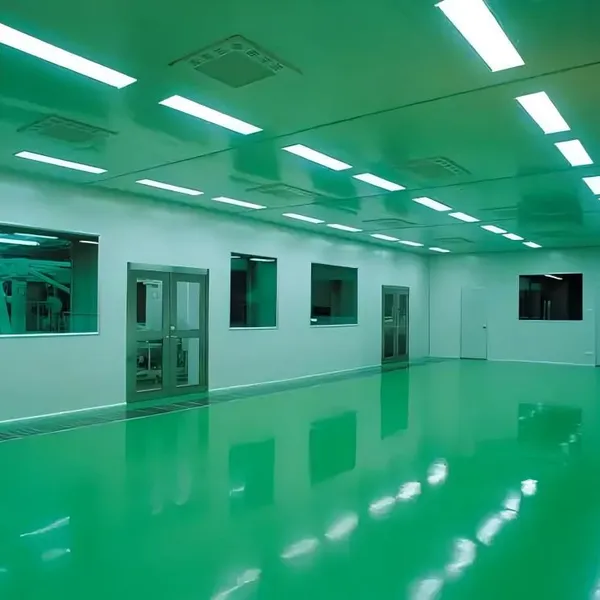 Read More
 -
Technical Principles of LED Explosion-Proof Fluorescent Lamps and Industrial Environment Purchasing Guide
September 16, 2026In industrial environments such as factories, warehouses, or petrochemical plants, lighting equipment often faces challenges such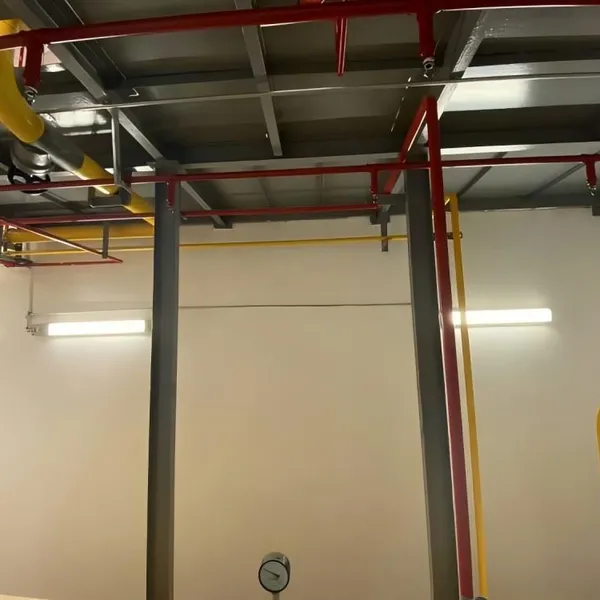 Read More
 -
Grain Silo Lighting Manufacturer Recommendations: How to Choose Insect-Proof, Moisture-Proof, and Sealed Three-Proof Lamps?
September 14, 2026In the selection of lighting for granaries and grain storage warehouses, many procurement personnel face a common dilemma: ordinar Read More
 -
How to choose a cost-effective T8 LED tube?
September 14, 2026In lighting renovations for industrial plants, warehouses, or large supermarkets, managers and procurement personnel often face a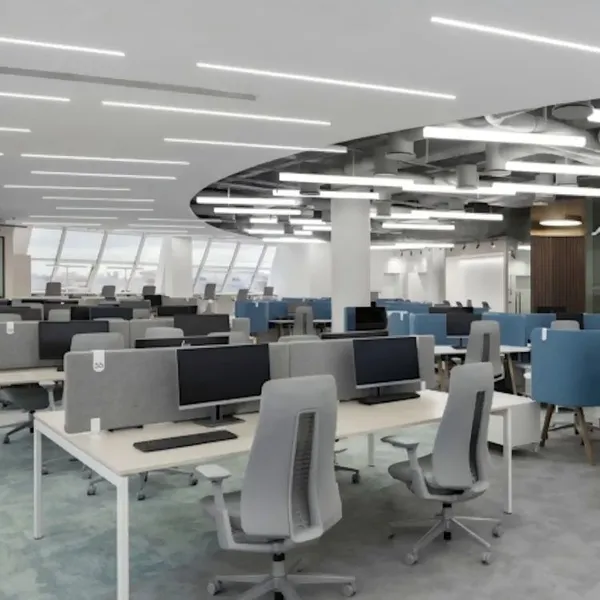 Read More

Contact Us
Recommended Products
-
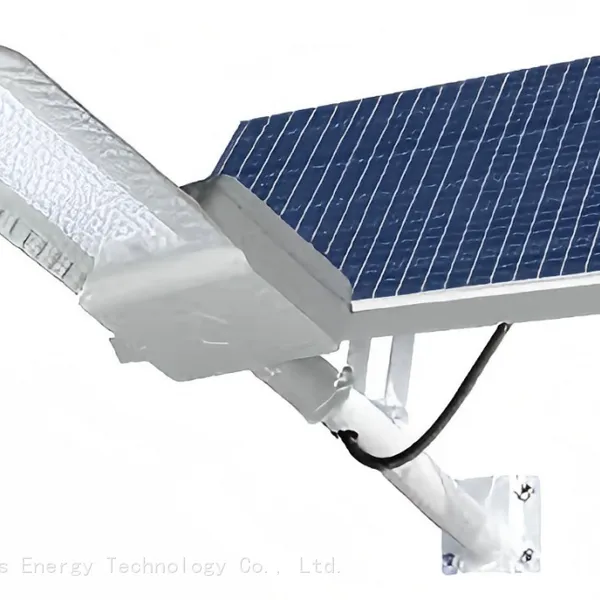
 Customized Solar-powered LED Street Light, 100W LED Solar Flood Light, for Use on Fence and Street Lamp PoleNegotiableMOQ: 1 Combo
 -
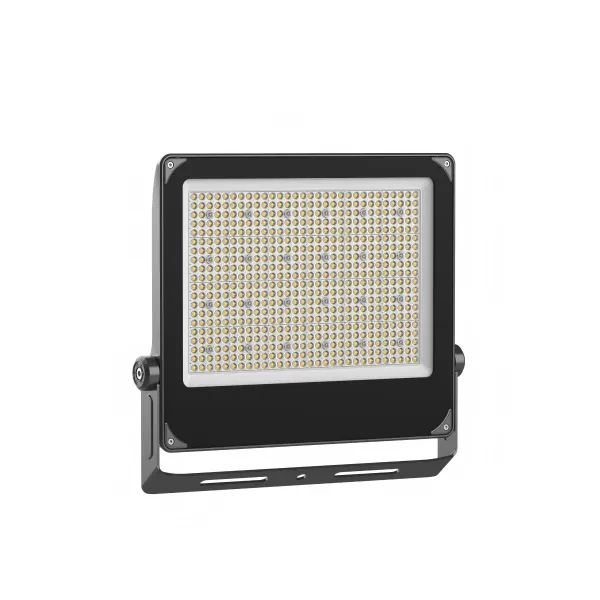
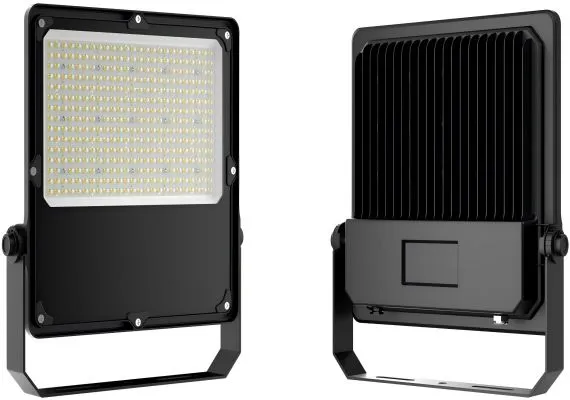
Outdoor LED Industrial Floodlight With Multi-angle Projection, High Luminous Efficiency, Square Lens, and FloodlightingNegotiableMOQ: 1 Combo
-
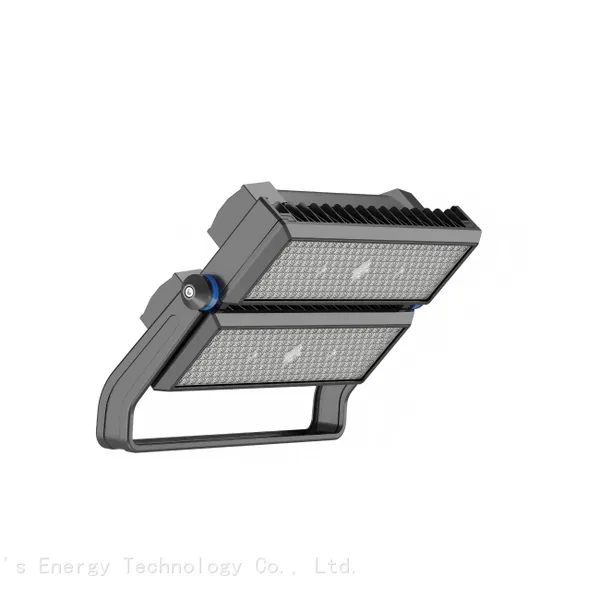
LED Tunnel Light High Luminous Efficiency Module, Tunnel LED Light Easy to Replace and MaintainNegotiableMOQ: 1 Set
-
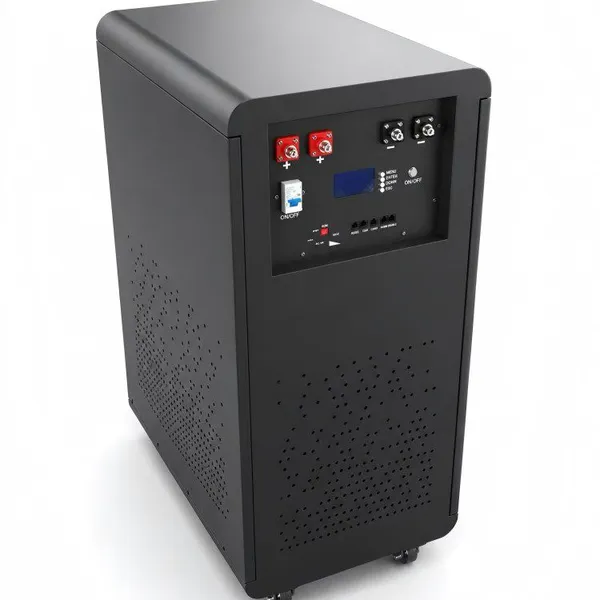
The New Style of Landed Energy Storage Battery Packs Supports OEM Cost-performance AdvantagesNegotiableMOQ: 1 Combo
-
LED Tunnel Light, Large Tunnel Project Lighting Fixture, Diffuse Reflection Tunnel LightNegotiableMOQ: 2 Sets
-
Park-view Villa Connecting Corridor LED Courtyard Column LightNegotiableMOQ: 2 Combos
-
Ring-shaped LED Tree-hugging Spotlight, Garden Courtyard Landscape Light, Tree-surrounding Light, Outdoor Waterproof Colorful Tree Illumination LightNegotiableMOQ: 2 Combos
-
LED Indoor and Outdoor Explosion-proof Floodlight 50~300W Dustproof, Waterproof, and Corrosion-resistantNegotiableMOQ: 1 Combo
-
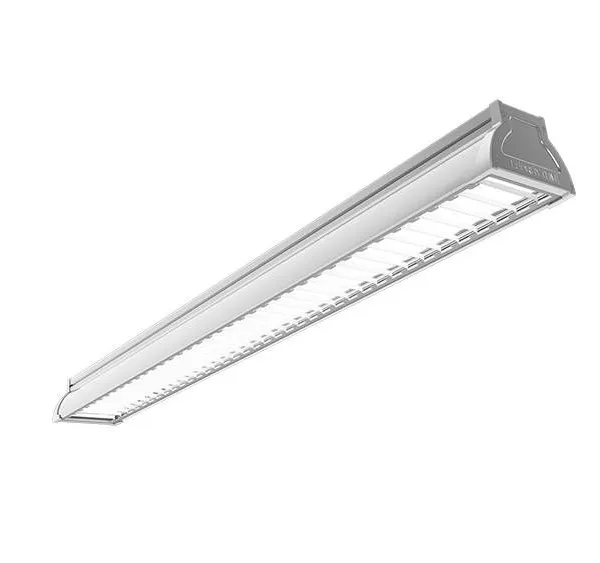
LED Industrial and Mining Lamp for Logistics and Warehousing Center, Long Strip Light, Linear Light, 100W 120W SelectionNegotiableMOQ: 1 Combo
-
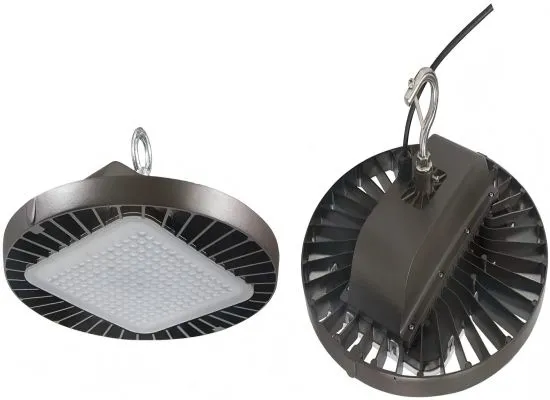
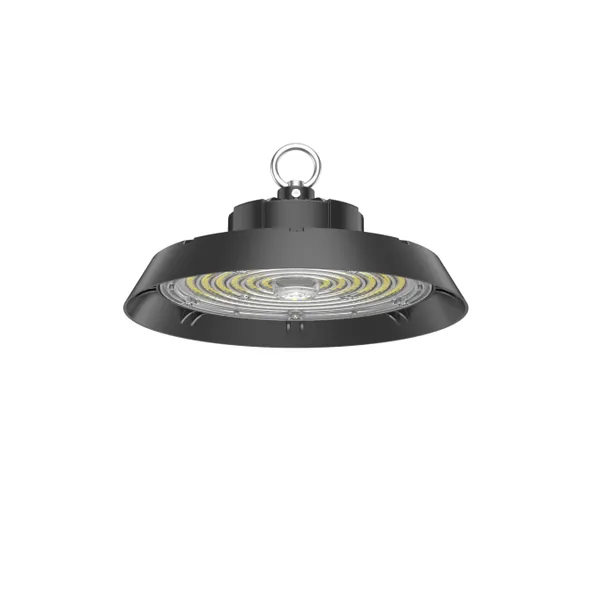
Philips Waterproof, Dustproof, Shockproof LED High Bay Light With Foreign Chip ConfigurationNegotiableMOQ: 1 Combo
-
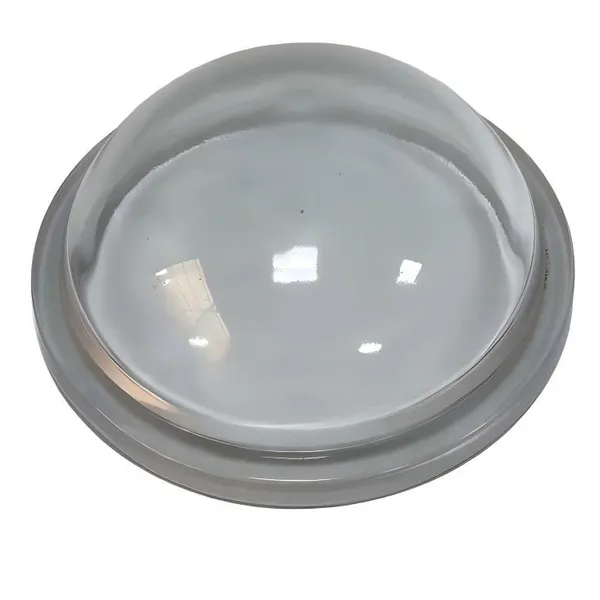
Explosion-proof Tempered Glass Lampshade Accessory, Striped, Bowl-shaped Heat-resistant and High-pressure Resistant,NegotiableMOQ: 1 Combo
-
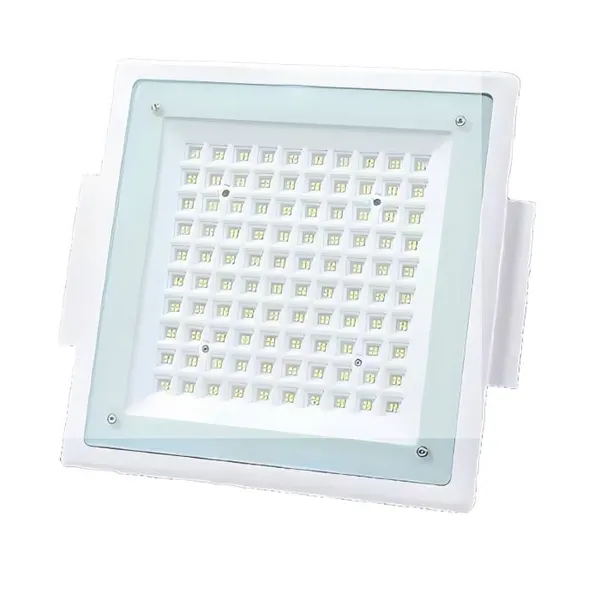
Explosion-proof Gas Station Lights, Gas Station Explosion-proof LED Industrial and Mining LightsNegotiableMOQ: 1 Combo
-
LED Floodlight, Batten Work Light, Advertising Spotlight, Outdoor Waterproof Construction Site Tunnel Lighting FloodlightNegotiableMOQ: 1 Combo
-
Workshop LED Industrial and Mining Light 150W LED Industrial and Mining Light High Luminous Efficiency and Luminous Flux ValueNegotiableMOQ: 2 Combos
-
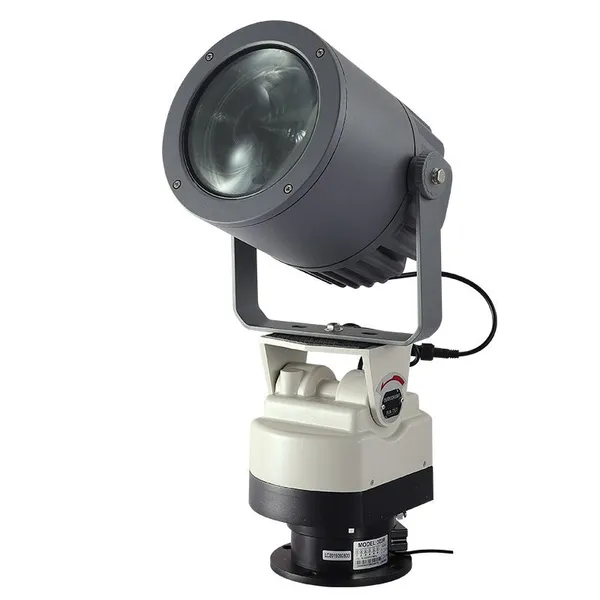
Gimbal Searchlight Automatic Cruise Remote Control High-Brightness Long-Distance LED Lighting 220V OutdoorNegotiableMOQ: 2 Combos
-
Wind Power Tower Tube Three-proof Light 20W With Emergency Wind Power Nacelle Three-proof LightNegotiableMOQ: 2 Combos
-
LED Cargo Hold Lights for Ships' Cargo Holds, Factories, Ports, and Freight Yards for Mobile LightingNegotiableMOQ: 2 Combos
-
LED Dome Lights for Dry Chambers, Crew Cabins, Lounges, Radio Rooms, and Other LocationsNegotiableMOQ: 2 Combos
-
LED Canopy Light for Ships, Engine and Boiler Rooms, Dry Cargo Holds, Shaft Tunnels, Pipe Alleys, and Open Deck Areas for LightingNegotiableMOQ: 2 Combos
-
Portable Mobile Lighting SystemNegotiableMOQ: 1 Combo