 Business License

Embedded Explosion-Proof Panel Light: Technical Principles and Buying Guide
In cleanrooms, laboratories, or industrial environments, lighting equipment not only needs to provide uniform light but must also meet explosion-proof and purification requirements. Many users face issues such as insufficient light, safety hazards, or frequent maintenance. For example, in pharmaceutical or electronics manufacturing workshops, traditional lighting fixtures may pose explosion risks due to sparks or dust accumulation, leading to equipment failures or production interruptions. These problems stem from a lack of understanding of the technical principles of LED panel lights and neglecting key parameters when purchasing.
Core technical principle of LED explosion-proof panel lights
LED panel lights are an efficient lighting solution, with their core based on light-emitting diode (LED) technology. LEDs use semiconductor materials to directly convert electrical energy into light energy, offering higher energy efficiency and longer lifespan compared to traditional light sources. Key principles in explosion-proof design include:
Explosion-proof mechanism: Uses a regulated power supply combined with a sealed enclosure (commonly made of aluminum alloy) to prevent internal sparks or high temperatures from causing external combustible gas explosions. This complies with international explosion-proof standards, such as IECEx or ATEX.
Purification function: Designed for cleanroom environments, the lamp's surface is smooth and seamless, reducing dust adhesion and facilitating cleaning and disinfection. At the same time, uniform light distribution avoids shadowed areas, improving visibility of the workspace.
Embedded structure: Fixtures are directly embedded in the ceiling, saving space and ensuring even light diffusion. Core components include LED chips, driver power supplies, and cooling systems, with heat dissipation designs (such as aluminum alloy housings) extending service life.
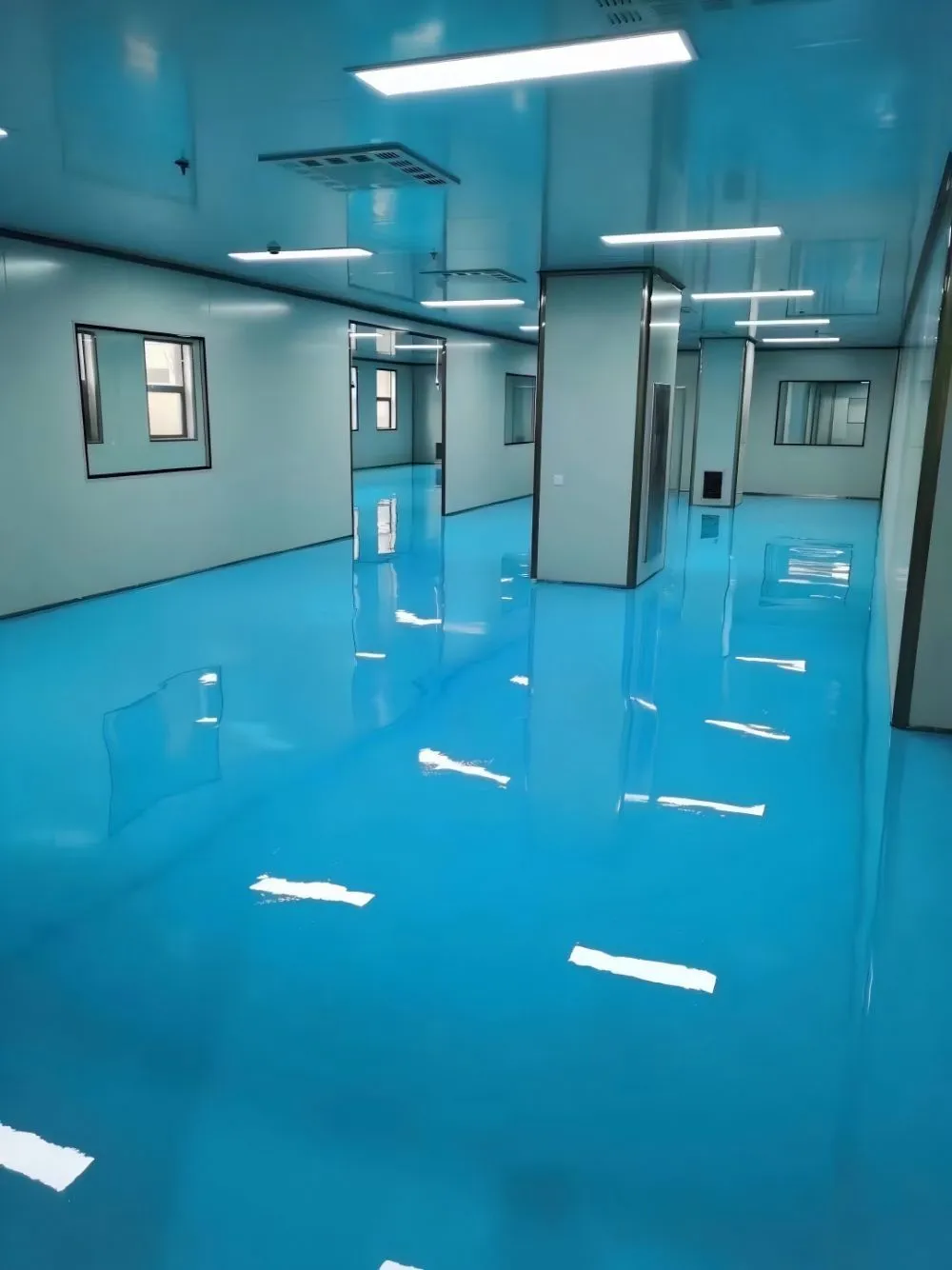
These technologies ensure stable operation of fixtures in harsh environments while reducing energy consumption.
Practical tips for purchasing embedded explosion-proof panel lights
When choosing such fixtures, pay attention to verifiable parameters to avoid subjective judgment. Here is a professional buying guide:
Size matching: Measure the installation space and prioritize standard sizes such as 600x600mm or 300x1200mm to ensure seamless embedding. Too large or too small may cause uneven lighting or installation difficulties.
Performance parameters: Check luminous flux (unit lumens, recommended ≥7000lm for large-area lighting), color rendering index (CRI, above 70 to meet basic color reproduction), color temperature (5000K-6500K range suitable for cleanrooms, providing neutral white light). Power (20-72W) should be adjusted according to the size of the space, avoiding excessive brightness or insufficient light.
Safety and durability: Confirm explosion-proof certification (e.g., aluminum alloy casing), power supply voltage ≤ 36V to reduce risk. Service life indicators (e.g., 30,000 hours) based on actual testing, product data can be referenced. Dimming function (optional) Adds flexibility to adapt to different scenarios.
Application Adaptation: For cleanroom use, choose easy-to-clean surfaces and purification series products. Weight (e.g., 4000g) affects installation stability, so ensure the support structure matches.
By comparing parameters from multiple brands, common misconceptions such as ignoring the color rendering index can cause visual fatigue.
Recently Posted
-
Technical Principles of LED Explosion-Proof Fluorescent Lamps and Industrial Environment Purchasing Guide
September 16, 2026In industrial environments such as factories, warehouses, or petrochemical plants, lighting equipment often faces challenges such Read More
 -
Review of Clean Flat Lights for Laboratory Cleanrooms
September 15, 2026Many buyers working in laboratories or cleanroom projects often struggle with two questions when looking for LED purification pane Read More
 -
Grain Silo Lighting Manufacturer Recommendations: How to Choose Insect-Proof, Moisture-Proof, and Sealed Three-Proof Lamps?
September 14, 2026In the selection of lighting for granaries and grain storage warehouses, many procurement personnel face a common dilemma: ordinar Read More
 -
How to choose a cost-effective T8 LED tube?
September 14, 2026In lighting renovations for industrial plants, warehouses, or large supermarkets, managers and procurement personnel often face a Read More

Contact Us
Recommended Products
-
 Customized Solar-powered LED Street Light, 100W LED Solar Flood Light, for Use on Fence and Street Lamp PoleNegotiableMOQ: 1 Combo
 -
Outdoor LED Industrial Floodlight With Multi-angle Projection, High Luminous Efficiency, Square Lens, and FloodlightingNegotiableMOQ: 1 Combo
-
LED Tunnel Light High Luminous Efficiency Module, Tunnel LED Light Easy to Replace and MaintainNegotiableMOQ: 1 Set
-
The New Style of Landed Energy Storage Battery Packs Supports OEM Cost-performance AdvantagesNegotiableMOQ: 1 Combo
-
LED Tunnel Light, Large Tunnel Project Lighting Fixture, Diffuse Reflection Tunnel LightNegotiableMOQ: 2 Sets
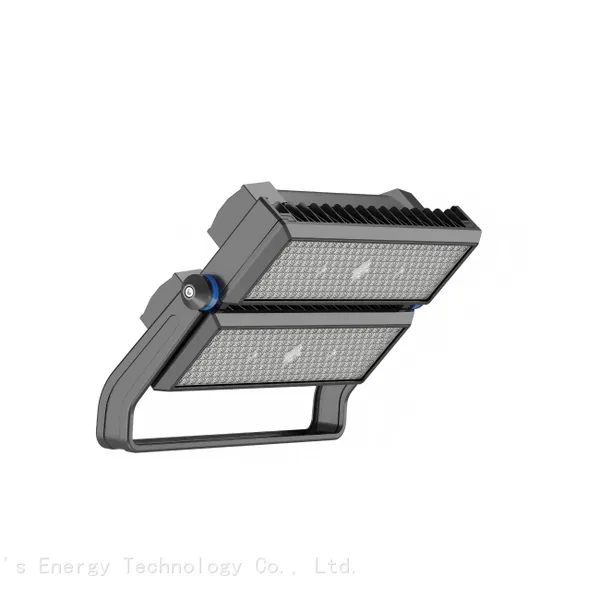
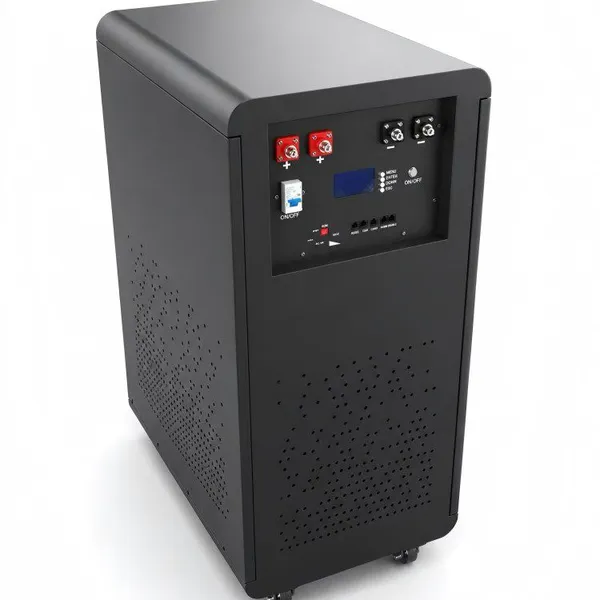
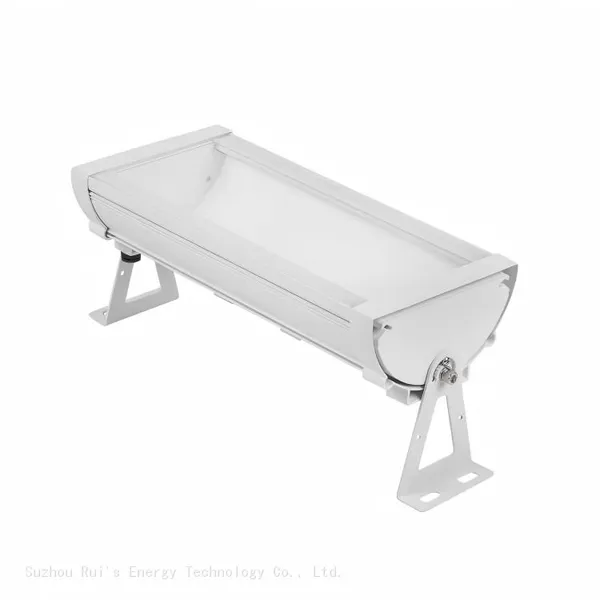
-
Park-view Villa Connecting Corridor LED Courtyard Column LightNegotiableMOQ: 2 Combos
-
Ring-shaped LED Tree-hugging Spotlight, Garden Courtyard Landscape Light, Tree-surrounding Light, Outdoor Waterproof Colorful Tree Illumination LightNegotiableMOQ: 2 Combos
-
LED Indoor and Outdoor Explosion-proof Floodlight 50~300W Dustproof, Waterproof, and Corrosion-resistantNegotiableMOQ: 1 Combo
-
LED Industrial and Mining Lamp for Logistics and Warehousing Center, Long Strip Light, Linear Light, 100W 120W SelectionNegotiableMOQ: 1 Combo
-
Philips Waterproof, Dustproof, Shockproof LED High Bay Light With Foreign Chip ConfigurationNegotiableMOQ: 1 Combo
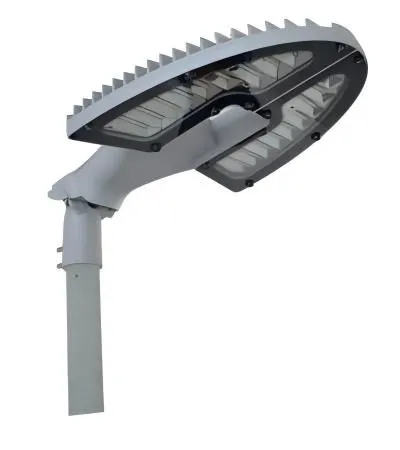
-
Explosion-proof Tempered Glass Lampshade Accessory, Striped, Bowl-shaped Heat-resistant and High-pressure Resistant,NegotiableMOQ: 1 Combo
-
Explosion-proof Gas Station Lights, Gas Station Explosion-proof LED Industrial and Mining LightsNegotiableMOQ: 1 Combo
-
LED Floodlight, Batten Work Light, Advertising Spotlight, Outdoor Waterproof Construction Site Tunnel Lighting FloodlightNegotiableMOQ: 1 Combo
-
Workshop LED Industrial and Mining Light 150W LED Industrial and Mining Light High Luminous Efficiency and Luminous Flux ValueNegotiableMOQ: 2 Combos
-
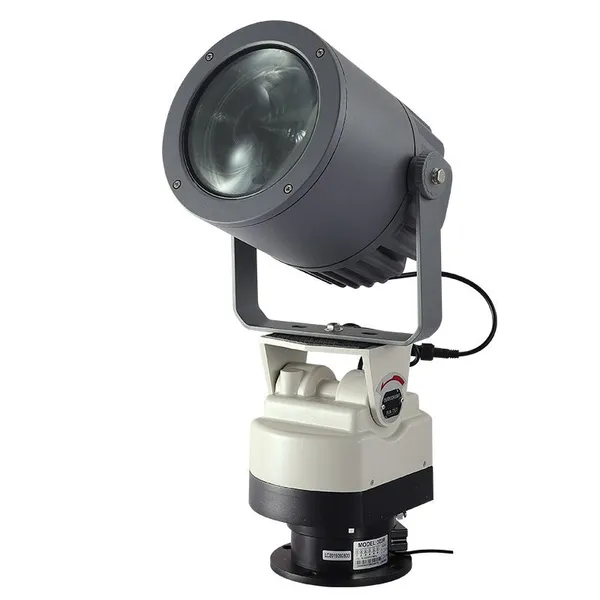
Gimbal Searchlight Automatic Cruise Remote Control High-Brightness Long-Distance LED Lighting 220V OutdoorNegotiableMOQ: 2 Combos
-
Wind Power Tower Tube Three-proof Light 20W With Emergency Wind Power Nacelle Three-proof LightNegotiableMOQ: 2 Combos
-
LED Cargo Hold Lights for Ships' Cargo Holds, Factories, Ports, and Freight Yards for Mobile LightingNegotiableMOQ: 2 Combos
-
LED Dome Lights for Dry Chambers, Crew Cabins, Lounges, Radio Rooms, and Other LocationsNegotiableMOQ: 2 Combos
-
LED Canopy Light for Ships, Engine and Boiler Rooms, Dry Cargo Holds, Shaft Tunnels, Pipe Alleys, and Open Deck Areas for LightingNegotiableMOQ: 2 Combos
-
Portable Mobile Lighting SystemNegotiableMOQ: 1 Combo