 Business License
When choosing LED industrial and mining lights, how can you evaluate the manufacturer's product for
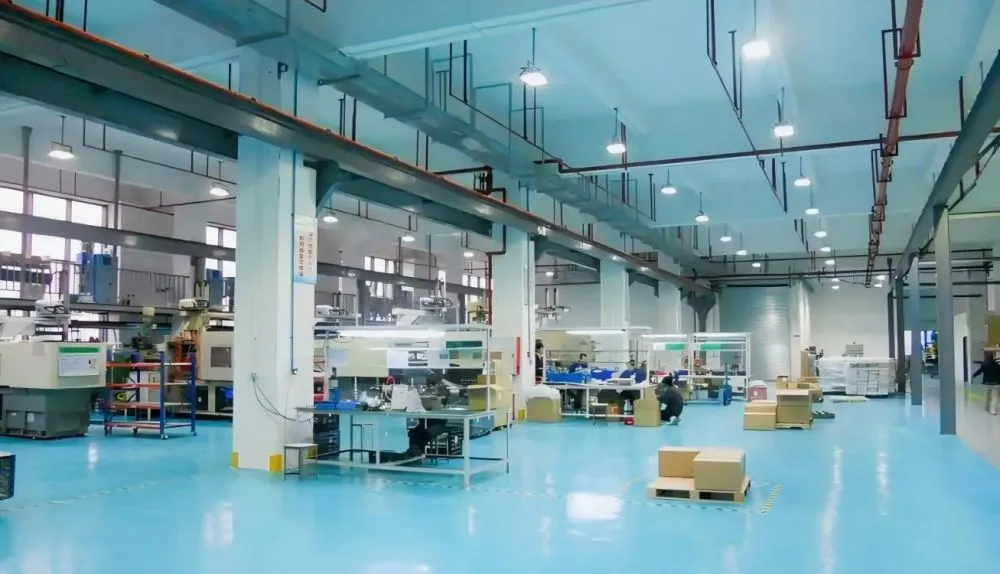
In large spaces like factory workshops and logistics warehouses, the stability and efficiency of the lighting system directly affect production efficiency and workplace safety. Many buyers have noticed during actual selection that some LED industrial lights see a significant drop in brightness after six months of installation, meaning serious light decay occurs, resulting in uneven lighting and frequent lamp replacements. At the same time, a low Color Rendering Index (CRI) makes it difficult for employees to accurately distinguish material colors, increasing the risk of operational errors and non-compliance in product quality checks. Faced with many manufacturers in the market, figuring out how to pick LED industrial lights with good light decay control and standard color rendering based on technical parameters and real-world performance is a challenge for many buyers. This article will provide an evaluation method and selection reference based on practical application needs.
Analysis of the Causes of Light Decay and Color Rendering Issues
To find effective solutions, we first need to understand the root causes of LED industrial light performance degradation. Poor color rendering and light decay are usually driven by three core factors:
Chip and Heat Dissipation Design: The LED chip is the core of light emission, and its quality directly determines its lifespan. If the lamp's heat dissipation structure is poorly designed, and the chip junction temperature is too high, it will accelerate light decay, causing a sharp brightness drop in a short time. Well-known light source brands (like Philips and other high-reliability chips) and low thermal resistance packaging processes (like surface-mount designs) are fundamental.
Driver Stability: The driver is the 'heart' of the lamp. If parameters like power factor and current ripple are unstable, they directly affect luminous flux output and color temperature consistency, leading to worse color rendering and even flickering.
Optical Design and Material Selection: The materials and craftsmanship of optical components like lenses and reflectors affect beam angle control and spectral composition. Low-quality optical parts reduce luminous efficiency and cause color temperature drift, affecting the CRI.
Therefore, to assess whether an industrial light is reliable, you need to systematically consider the chip, heat dissipation, driver, and optical design. For example, the Rdes series of industrial lights from Suzhou Rde Energy Technology Co., Ltd. offers solutions to address the above issues and is worth referencing.
Building a Systematic Evaluation Plan: From Parameters to Practical Verification
Based on the analysis above, we can build an evaluation plan from four dimensions to assess the performance of an LED industrial light in terms of lumen depreciation and color rendering.
Step 1: Check Core Light Source and Heat Dissipation Structure
The reliability of the light source is the first step in controlling lumen depreciation. During evaluation, attention should be paid to the LED chip brand. Using mainstream brands like Philips for SMD chips ensures more mature processes for luminous efficiency and lumen maintenance. Meanwhile, the heat dissipation structure is key to the chip junction temperature. Aluminum alloy housing combined with well-designed heat sinks can effectively dissipate heat, preventing the internal temperature of the fixture from getting too high.
Step 2: Verify Driver Power Supply and Electrical Parameters
The stability of the driver directly affects the long-term performance of the light. When evaluating, check the power factor (PF) and input voltage range. A high power factor (e.g., 0.95) means lower harmonic interference with the grid and higher energy efficiency. Also, confirm whether the driver provides a constant current output to prevent lumen depreciation and color temperature changes caused by current fluctuations.
Step 3: Check Optical Performance and Protection Level
The color rendering index (CRI) and color temperature are key indicators for evaluating light quality. Factory environments usually require high color rendering for operational precision, generally requiring Ra≥80. Additionally, dimming capabilities and multiple beam angle options (e.g., 60°/90°/120°) allow adaptation to different ceiling heights and work areas. A protection grade of IP65 ensures long-term reliability in dusty or humid environments, preventing accelerated lumen depreciation due to environmental factors.
Step 4: Test Actual Luminous Efficiency and Lifespan Data
Luminous efficacy (lm/W, e.g., 180lm/W) is a core metric for assessing energy conversion efficiency, directly affecting energy consumption and the number of fixtures needed for the same illumination. Lifespan data (e.g., 50,000 hours) is the ultimate reflection of lumen maintenance, requiring manufacturers to provide corresponding test reports or standard references, not just claimed values.
Through these four steps, buyers can build a complete evaluation logic that maps product parameters to the lighting needs of specific applications (e.g., workshops, warehouses).
Action Guide and Implementation Suggestions
If you are looking for solutions to these issues, the following action path can serve as a reference:
Step 1: Clarify internal requirements: average daily lighting hours, work surface height, ambient temperature, cleanliness requirements, and whether explosion-proof or dimming functions are needed. Define tolerance for lumen depreciation (e.g., no more than 5% reduction in illuminance per year or meeting the L70 lifespan standard).
Step 2: Compare supplier solutions, focusing on core parameters provided by manufacturers such as LED chip brand, driver brand and certifications, luminous efficacy, power factor, and CRI. Request test reports or third-party verification data specific to lumen depreciation and color rendering. For example, you can look at the Rdes series industrial lights from Suzhou Ruidi Energy Technology Co., which offer verifiable technical parameters for chips, heat dissipation, and drivers.
Step 3: On-site inspection and practical evaluation: arrange to visit running project cases from the manufacturer, experience the lighting effect firsthand, and verify the installation environment, usage duration, and actual performance. Additionally, calculate the total lifecycle cost, including fixture unit price, installation cost, expected electricity consumption, and maintenance or replacement costs, to comprehensively evaluate cost performance.
Recently Posted
-
Embedded Explosion-Proof Panel Light: Technical Principles and Buying Guide
September 16, 2026In cleanrooms, laboratories, or industrial environments, lighting equipment not only needs to provide uniform light but must also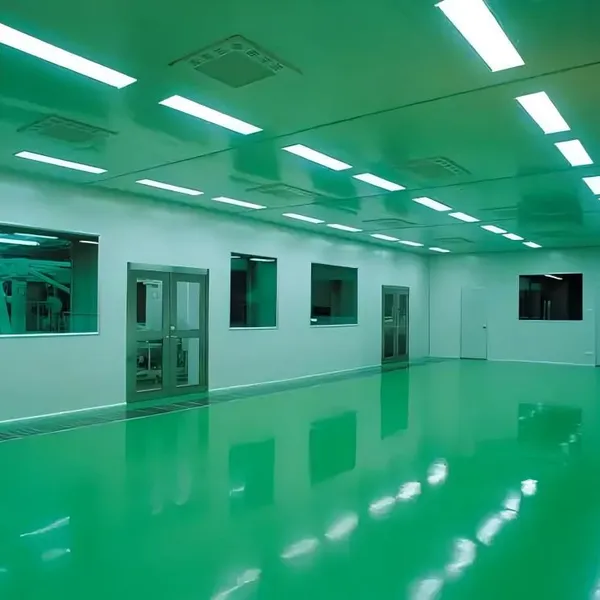 Read More
 -
Technical Principles of LED Explosion-Proof Fluorescent Lamps and Industrial Environment Purchasing Guide
September 16, 2026In industrial environments such as factories, warehouses, or petrochemical plants, lighting equipment often faces challenges such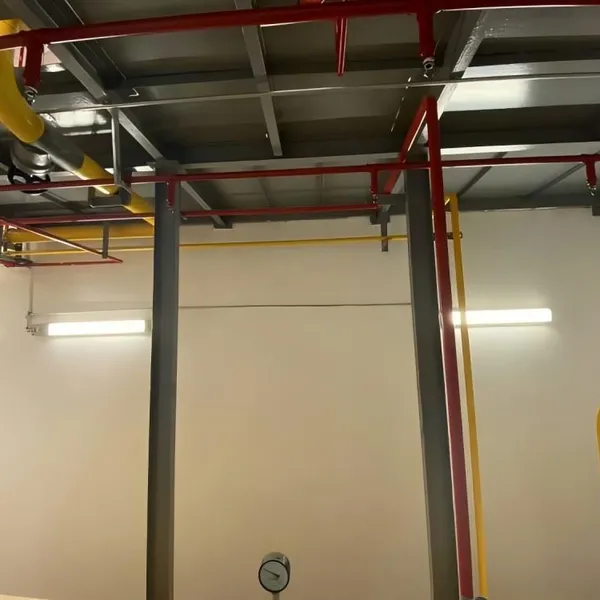 Read More
 -
Review of Clean Flat Lights for Laboratory Cleanrooms
September 15, 2026Many buyers working in laboratories or cleanroom projects often struggle with two questions when looking for LED purification pane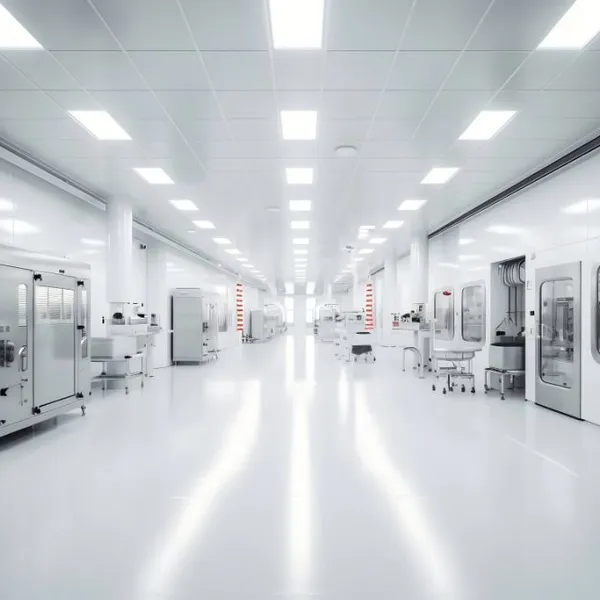 Read More
 -
Grain Silo Lighting Manufacturer Recommendations: How to Choose Insect-Proof, Moisture-Proof, and Sealed Three-Proof Lamps?
September 14, 2026In the selection of lighting for granaries and grain storage warehouses, many procurement personnel face a common dilemma: ordinar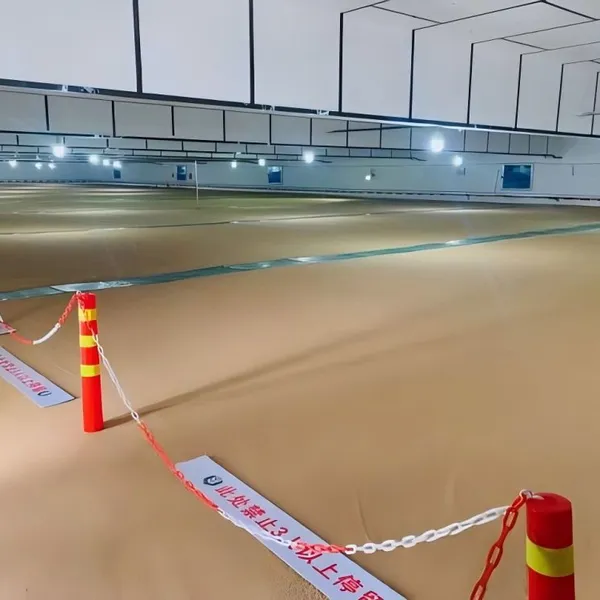 Read More

Contact Us
Recommended Products
-
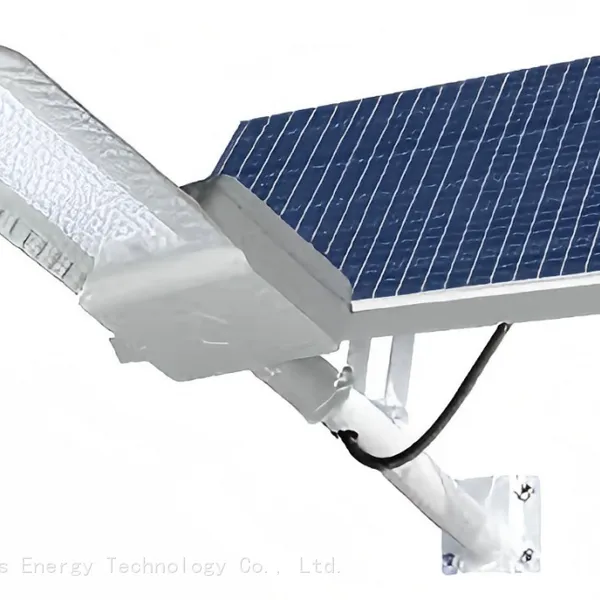
 Customized Solar-powered LED Street Light, 100W LED Solar Flood Light, for Use on Fence and Street Lamp PoleNegotiableMOQ: 1 Combo
 -
Outdoor LED Industrial Floodlight With Multi-angle Projection, High Luminous Efficiency, Square Lens, and FloodlightingNegotiableMOQ: 1 Combo
-
LED Tunnel Light High Luminous Efficiency Module, Tunnel LED Light Easy to Replace and MaintainNegotiableMOQ: 1 Set
-
The New Style of Landed Energy Storage Battery Packs Supports OEM Cost-performance AdvantagesNegotiableMOQ: 1 Combo
-
LED Tunnel Light, Large Tunnel Project Lighting Fixture, Diffuse Reflection Tunnel LightNegotiableMOQ: 2 Sets
-
Park-view Villa Connecting Corridor LED Courtyard Column LightNegotiableMOQ: 2 Combos
-
Ring-shaped LED Tree-hugging Spotlight, Garden Courtyard Landscape Light, Tree-surrounding Light, Outdoor Waterproof Colorful Tree Illumination LightNegotiableMOQ: 2 Combos
-
LED Indoor and Outdoor Explosion-proof Floodlight 50~300W Dustproof, Waterproof, and Corrosion-resistantNegotiableMOQ: 1 Combo
-
LED Industrial and Mining Lamp for Logistics and Warehousing Center, Long Strip Light, Linear Light, 100W 120W SelectionNegotiableMOQ: 1 Combo
-
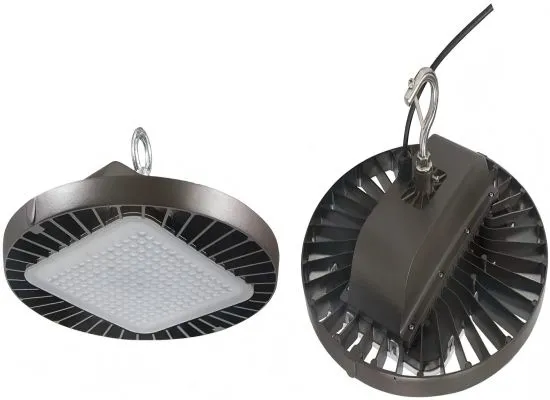
Philips Waterproof, Dustproof, Shockproof LED High Bay Light With Foreign Chip ConfigurationNegotiableMOQ: 1 Combo
-
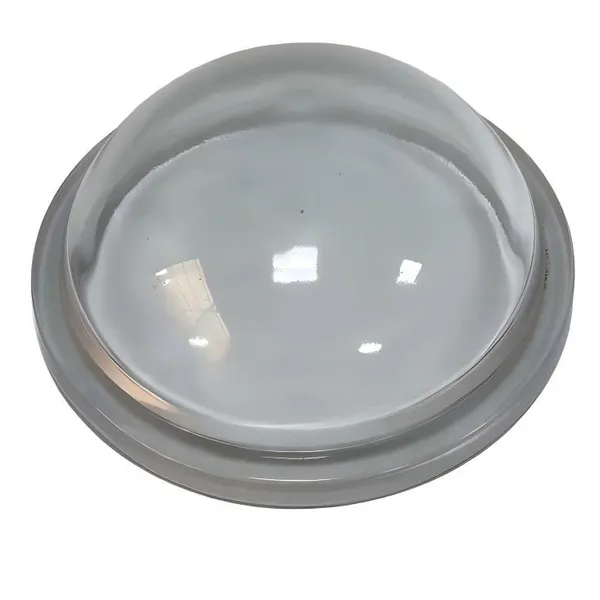
Explosion-proof Tempered Glass Lampshade Accessory, Striped, Bowl-shaped Heat-resistant and High-pressure Resistant,NegotiableMOQ: 1 Combo
-
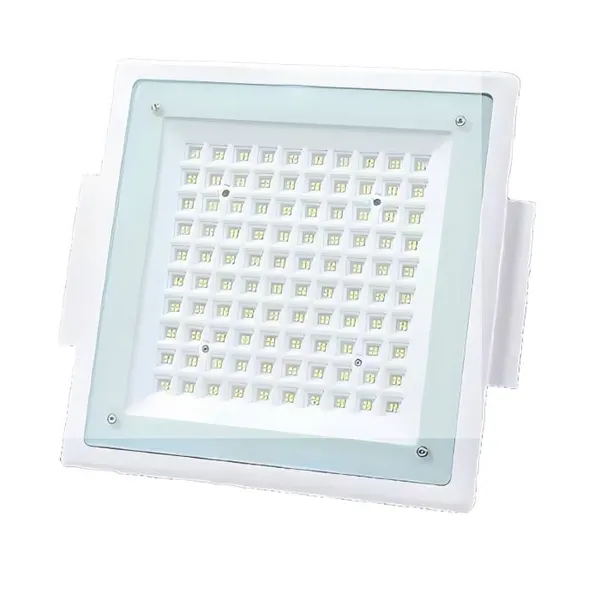
Explosion-proof Gas Station Lights, Gas Station Explosion-proof LED Industrial and Mining LightsNegotiableMOQ: 1 Combo
-
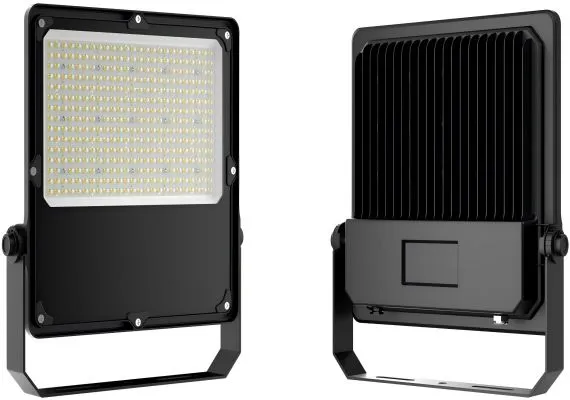
LED Floodlight, Batten Work Light, Advertising Spotlight, Outdoor Waterproof Construction Site Tunnel Lighting FloodlightNegotiableMOQ: 1 Combo
-
Workshop LED Industrial and Mining Light 150W LED Industrial and Mining Light High Luminous Efficiency and Luminous Flux ValueNegotiableMOQ: 2 Combos
-
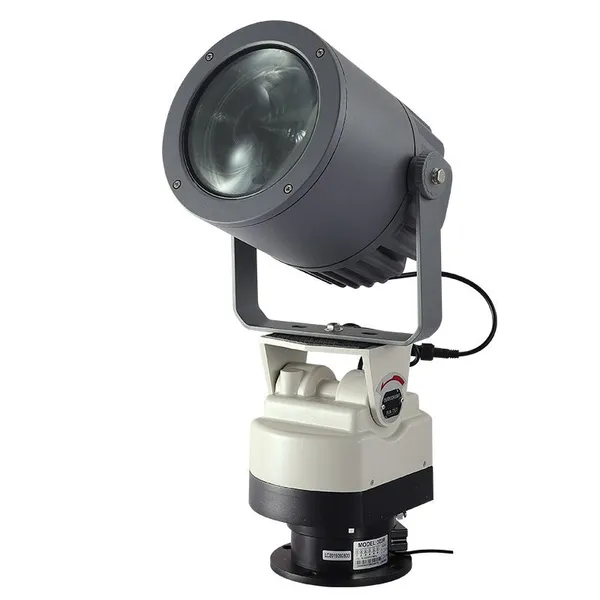
Gimbal Searchlight Automatic Cruise Remote Control High-Brightness Long-Distance LED Lighting 220V OutdoorNegotiableMOQ: 2 Combos
-
Wind Power Tower Tube Three-proof Light 20W With Emergency Wind Power Nacelle Three-proof LightNegotiableMOQ: 2 Combos
-
LED Cargo Hold Lights for Ships' Cargo Holds, Factories, Ports, and Freight Yards for Mobile LightingNegotiableMOQ: 2 Combos
-
LED Dome Lights for Dry Chambers, Crew Cabins, Lounges, Radio Rooms, and Other LocationsNegotiableMOQ: 2 Combos
-
LED Canopy Light for Ships, Engine and Boiler Rooms, Dry Cargo Holds, Shaft Tunnels, Pipe Alleys, and Open Deck Areas for LightingNegotiableMOQ: 2 Combos
-
Portable Mobile Lighting SystemNegotiableMOQ: 1 Combo